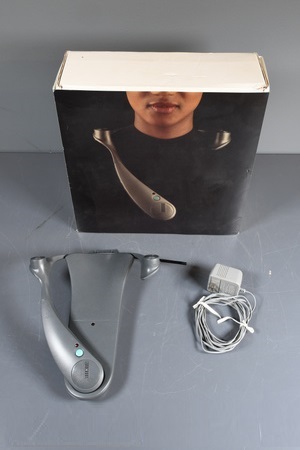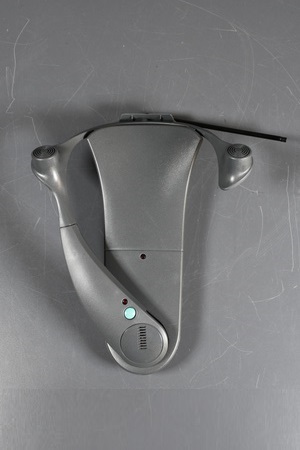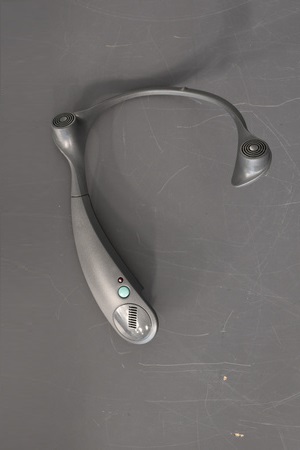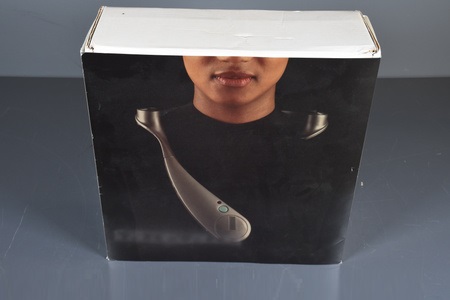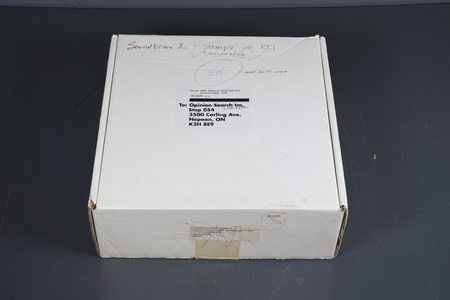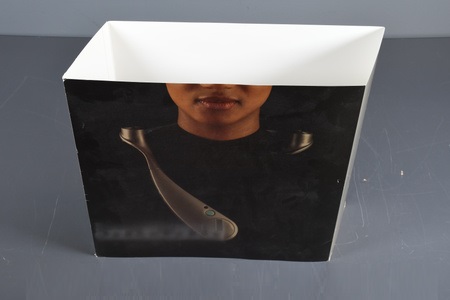

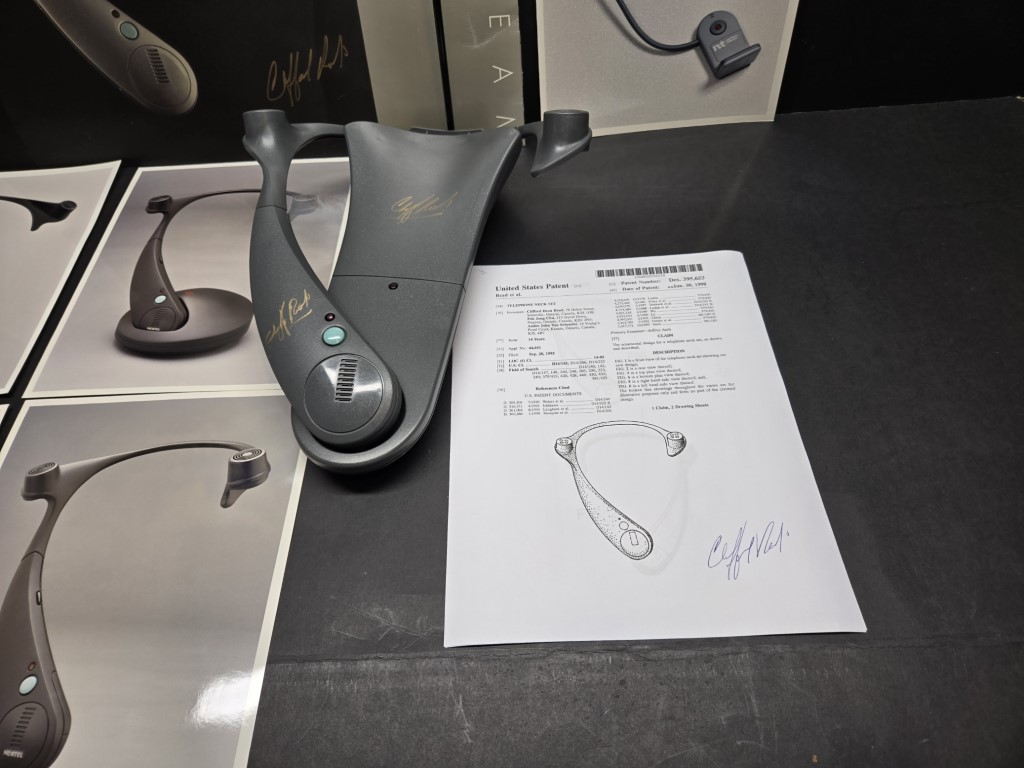
From the private collection of BNR Industrial Designer Cliff Read.
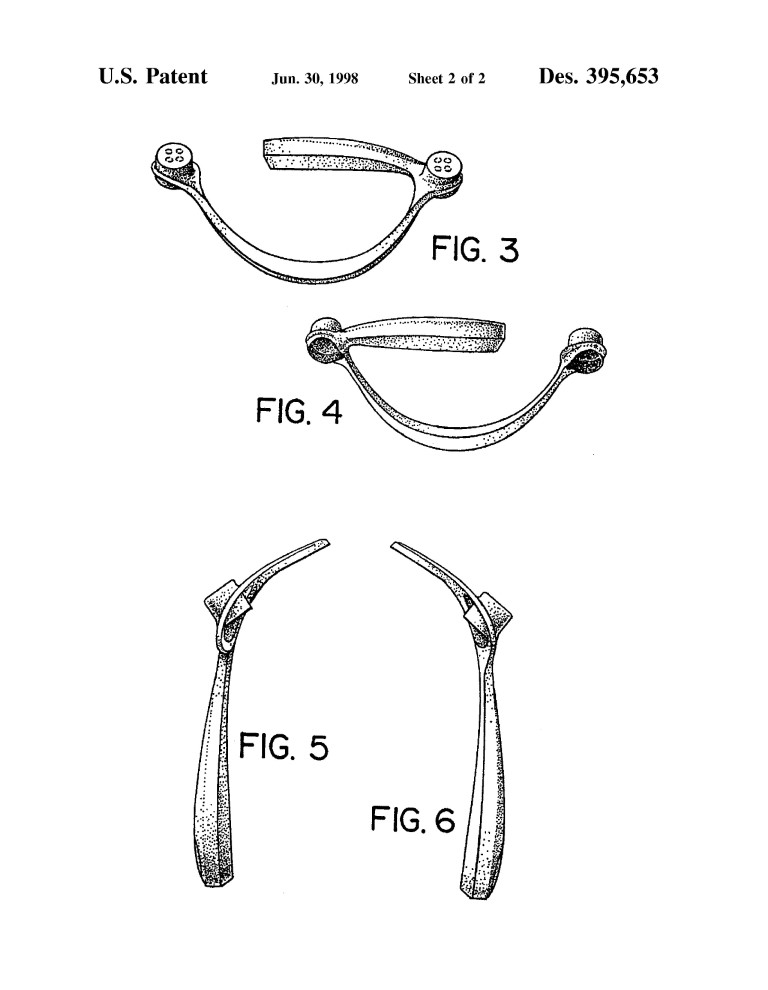
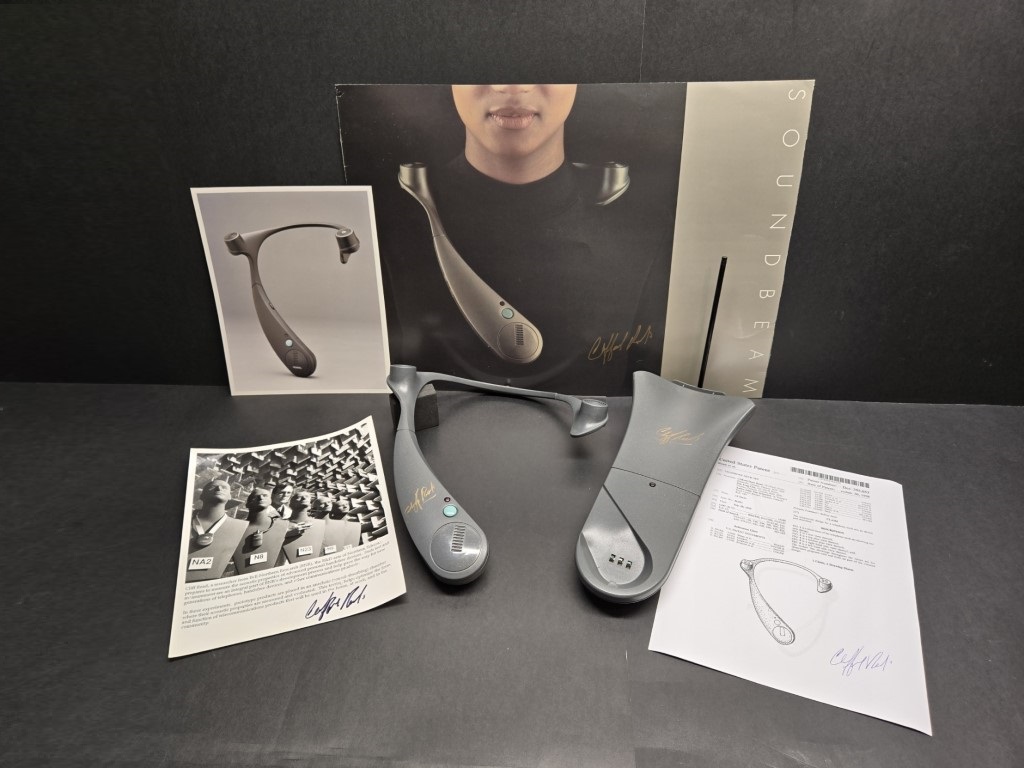
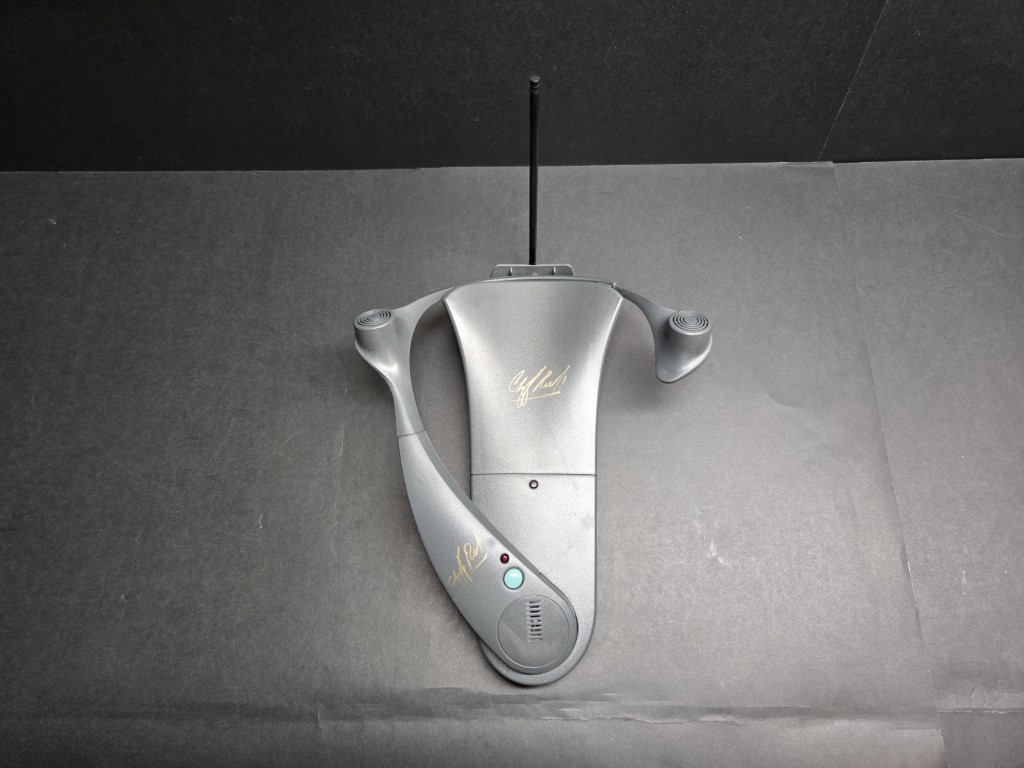
The Nortel SoundBeam was a pioneering wireless telephony concept developed in 1995 by Bell-Northern Research (BNR), Nortel’s R&D division in Ottawa, Canada. It wasn’t a mobile phone, but rather a “wearable audio apparatus” a new product category that BNR designers called a neckset.
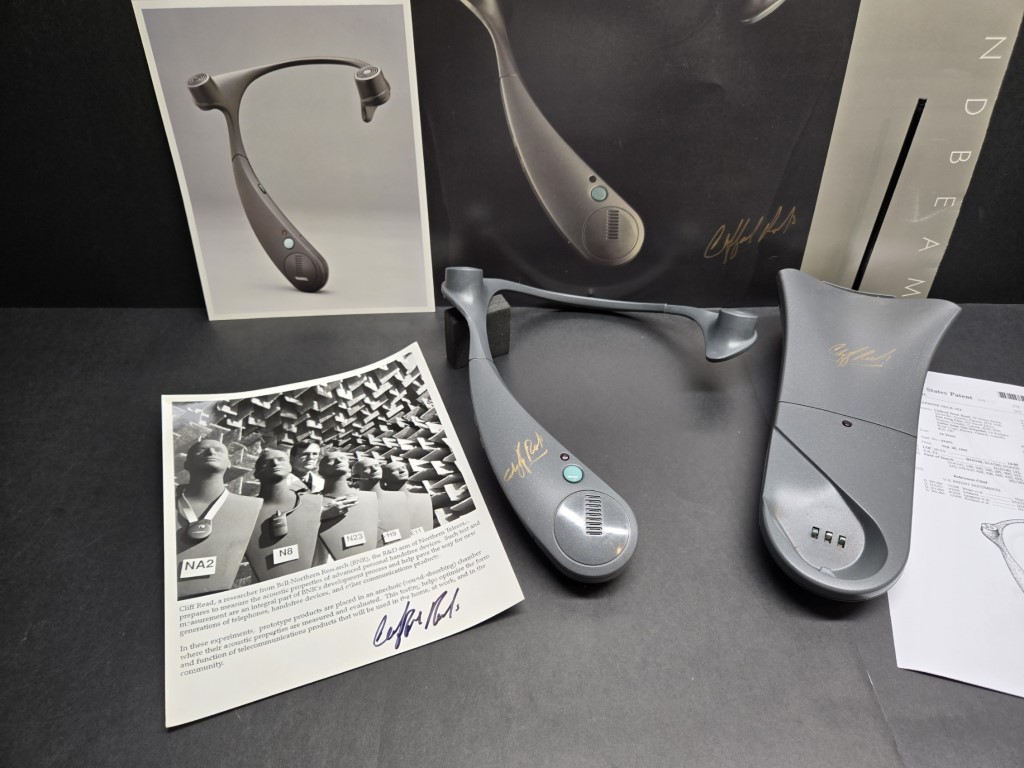
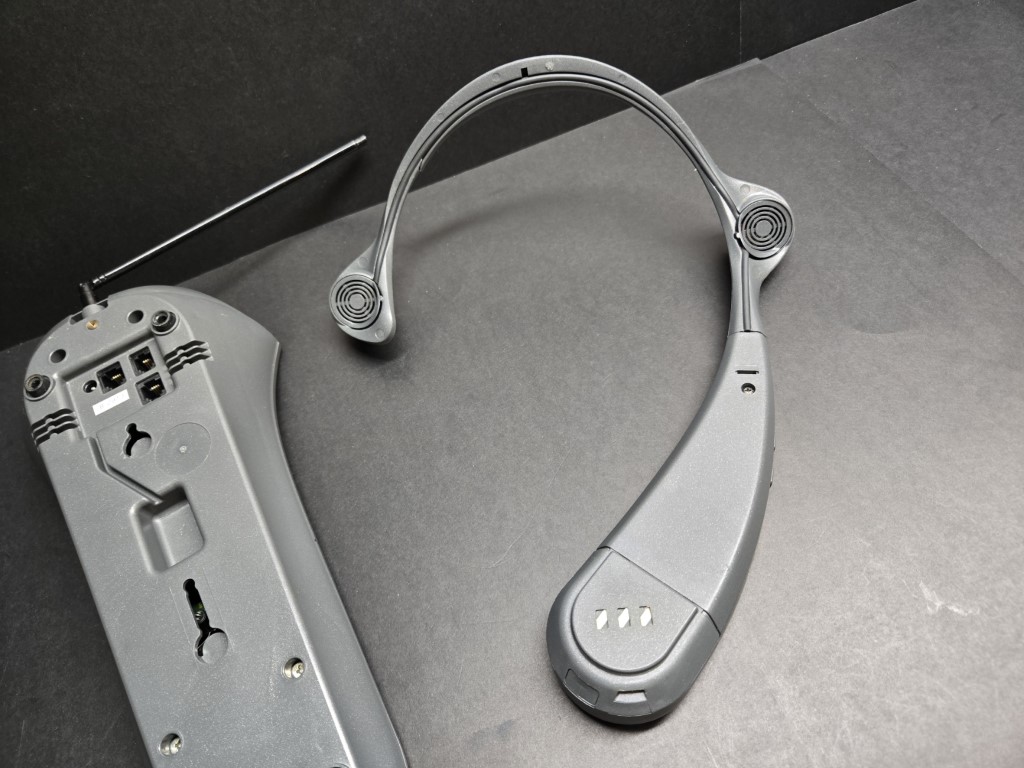
Designed to deliver hands-free convenience with headset-like privacy, the SoundBeam featured advanced directional loudspeakers that projected sound upward toward the user’s ears, while minimizing sound leakage to others nearby. This created a unique “personal audio bubble”, allowing users to hear their calls clearly without disturbing those around them.
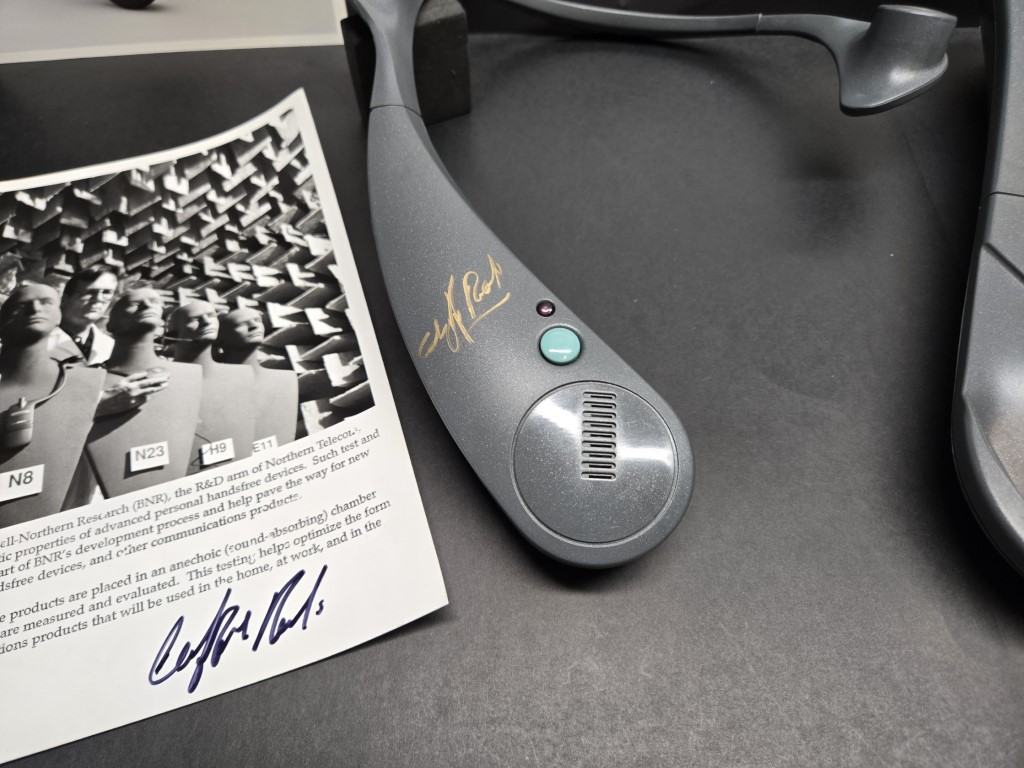
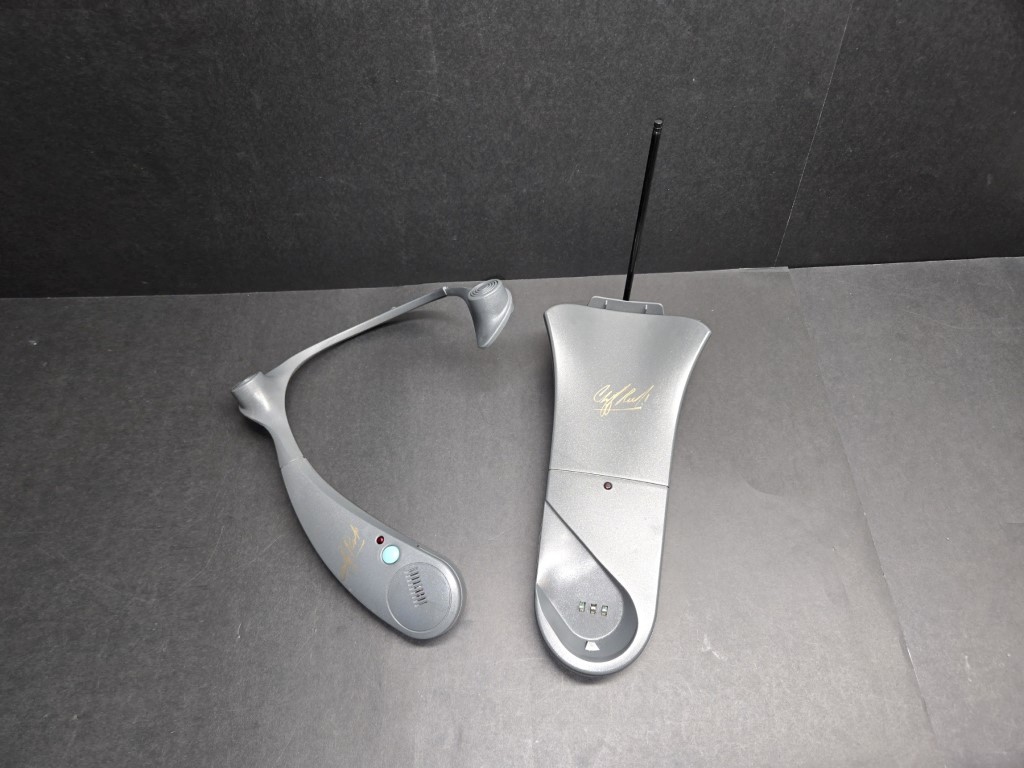
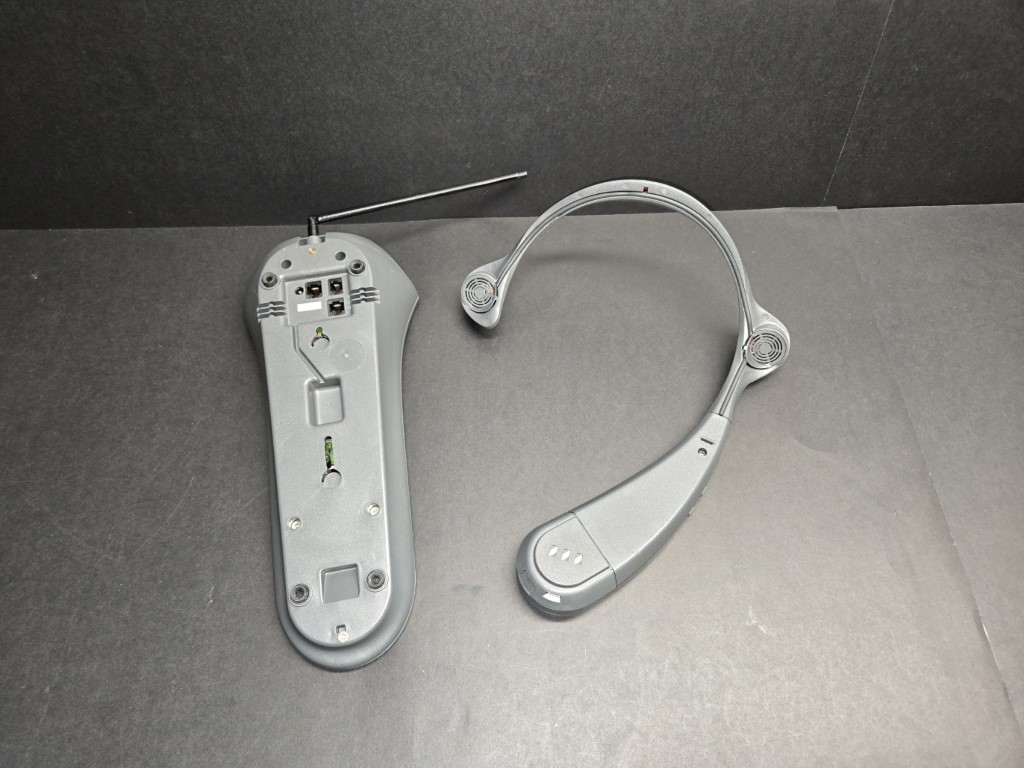
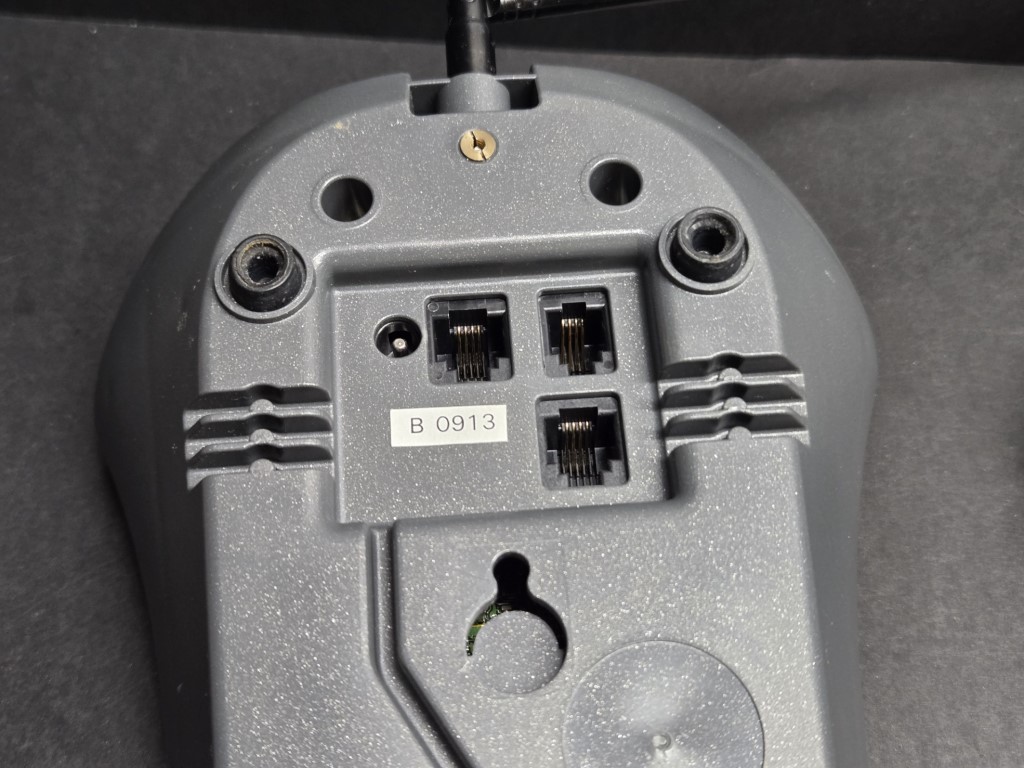
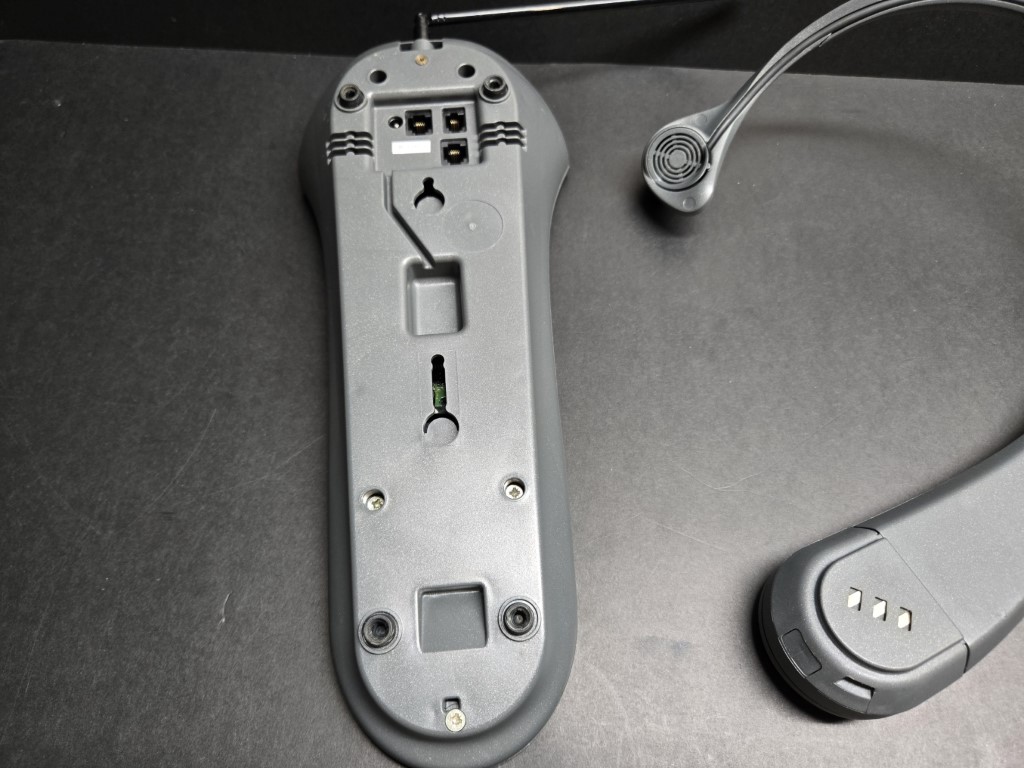
The device operated via a 900 MHz radio transceiver, which connected wirelessly to a base unit tied to a standard landline. (In today’s terms, it would likely have used Bluetooth.) Its directional microphone, positioned just below the mouth, ensured clear voice pickup while reducing background noise and reverberation a significant improvement over traditional speakerphones.
SoundBeam made its public debut at Telecom ’95, in Nortel’s BNR Futures exhibit.
Approximately 500 units were produced for market trials.
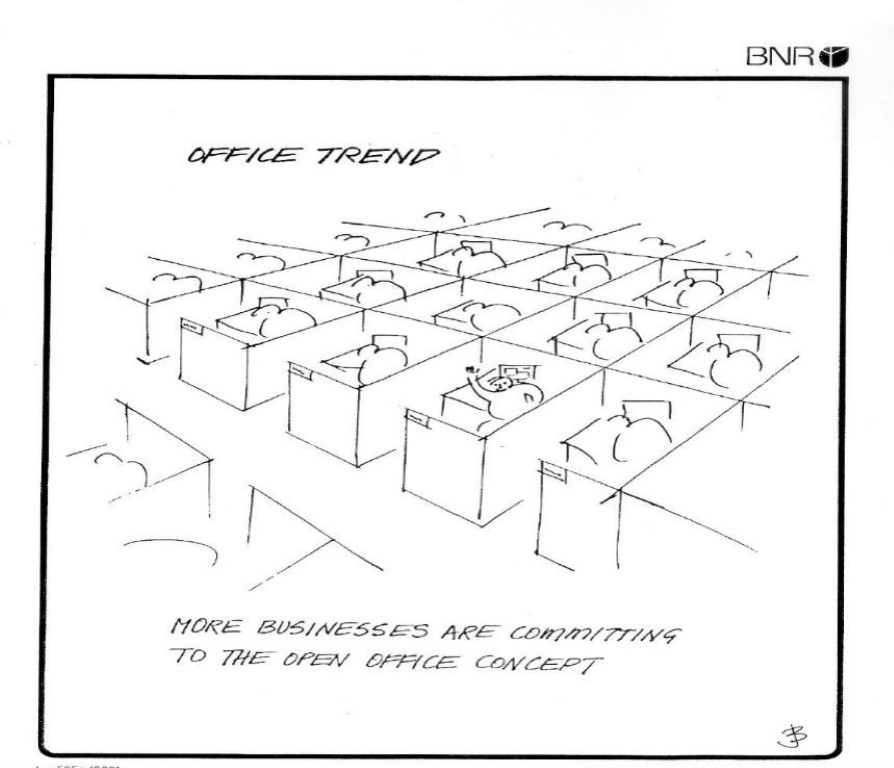
Following its unveiling, BNR launched a large-scale market trial to assess both the technology and user acceptance. More than 500 participants from enterprise, small business, and residential environments tested the device. Feedback was largely positive: users appreciated the private audio experience and mobility, especially in open-concept office settings where traditional speakerphones caused disruptions.
Some participants were initially hesitant about wearing such an unconventional-looking device, but many developed what BNR staff affectionately called the “gotta have it” response refusing to return their SoundBeam units when the trial ended.
Despite encouraging trial results, Nortel ultimately chose not to commercialize the SoundBeam. Shortly afterward, the company withdrew from the consumer telephone and mobile device markets entirely.
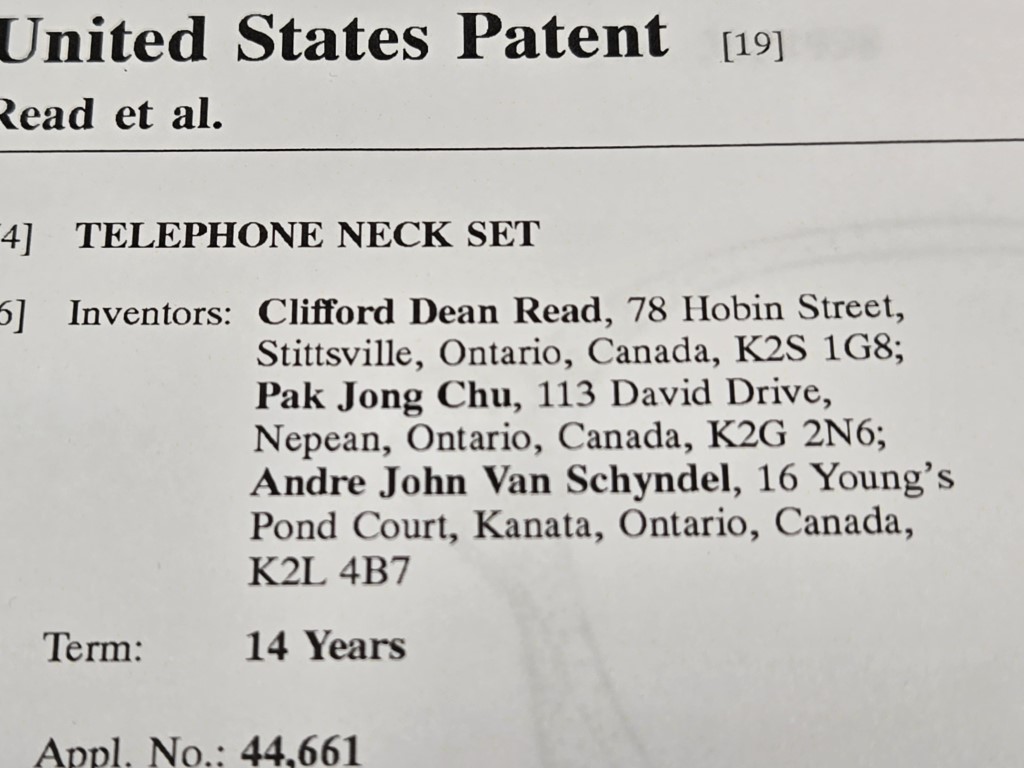
A U.S. patent covering the SoundBeam’s directional loudspeaker technology was later acquired by Microsoft. Today, the SoundBeam remains a fascinating glimpse into Nortel’s spirit of innovation an early exploration of wearable communication long before Bluetooth headsets and smart devices became mainstream.
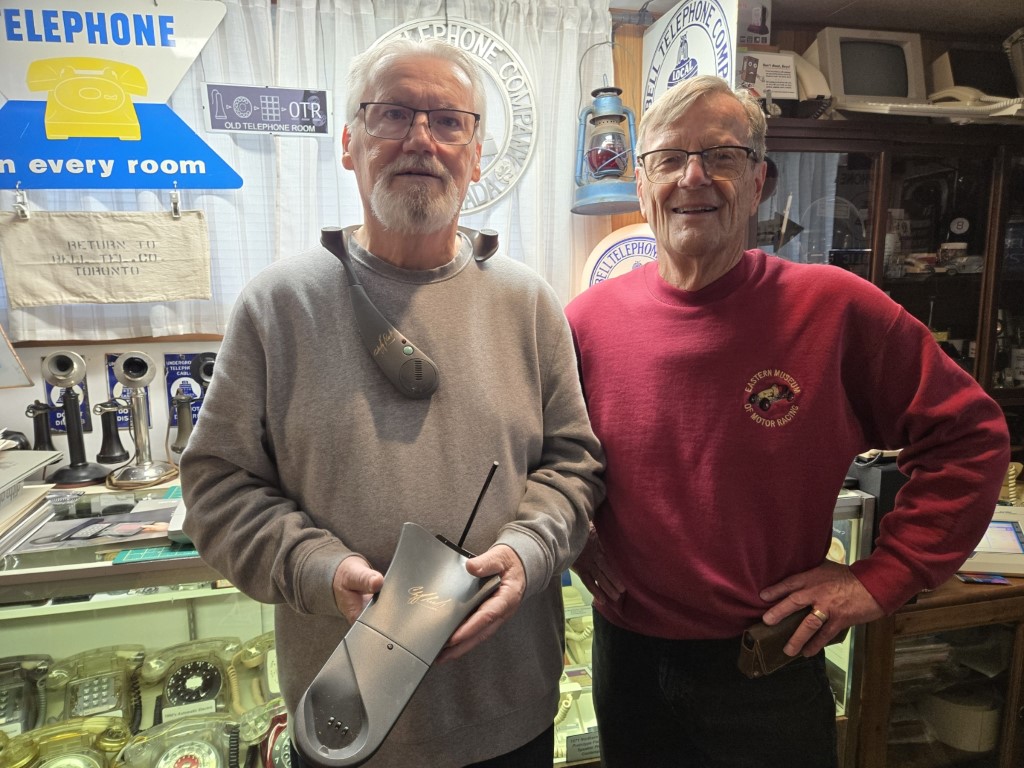
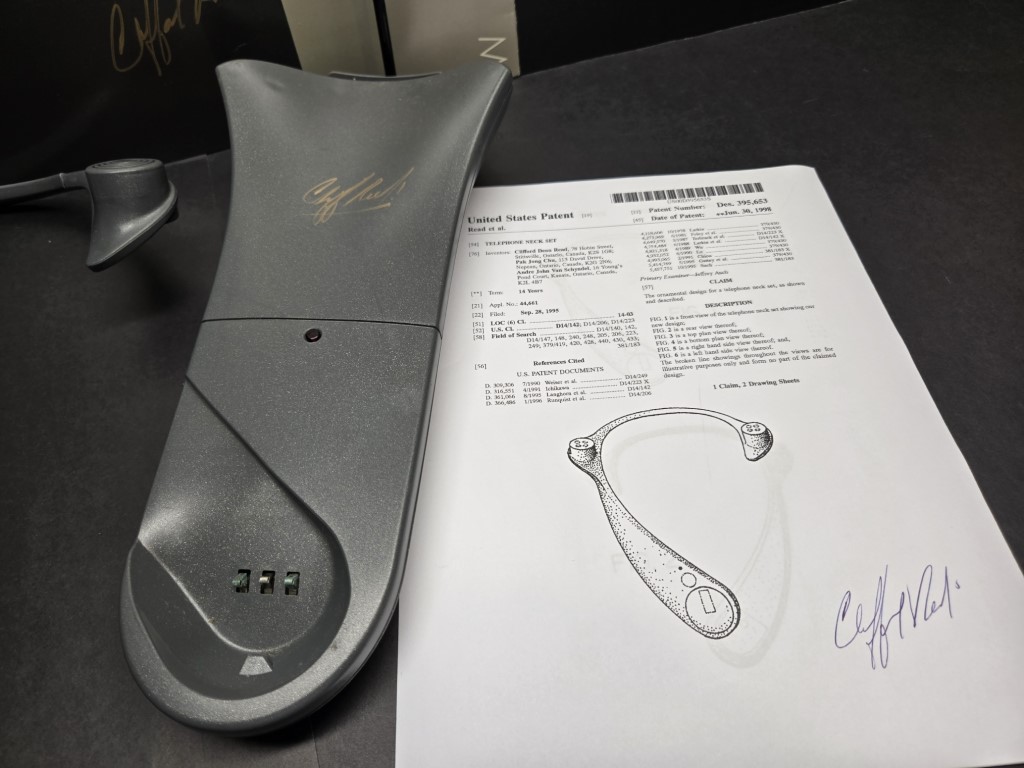
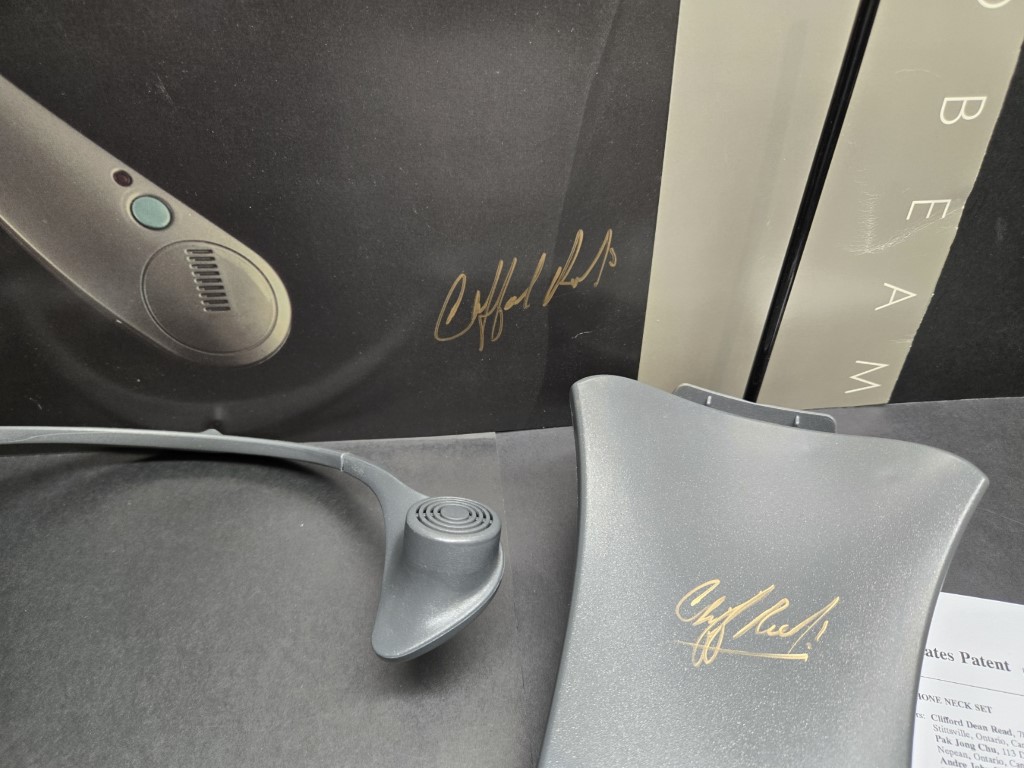
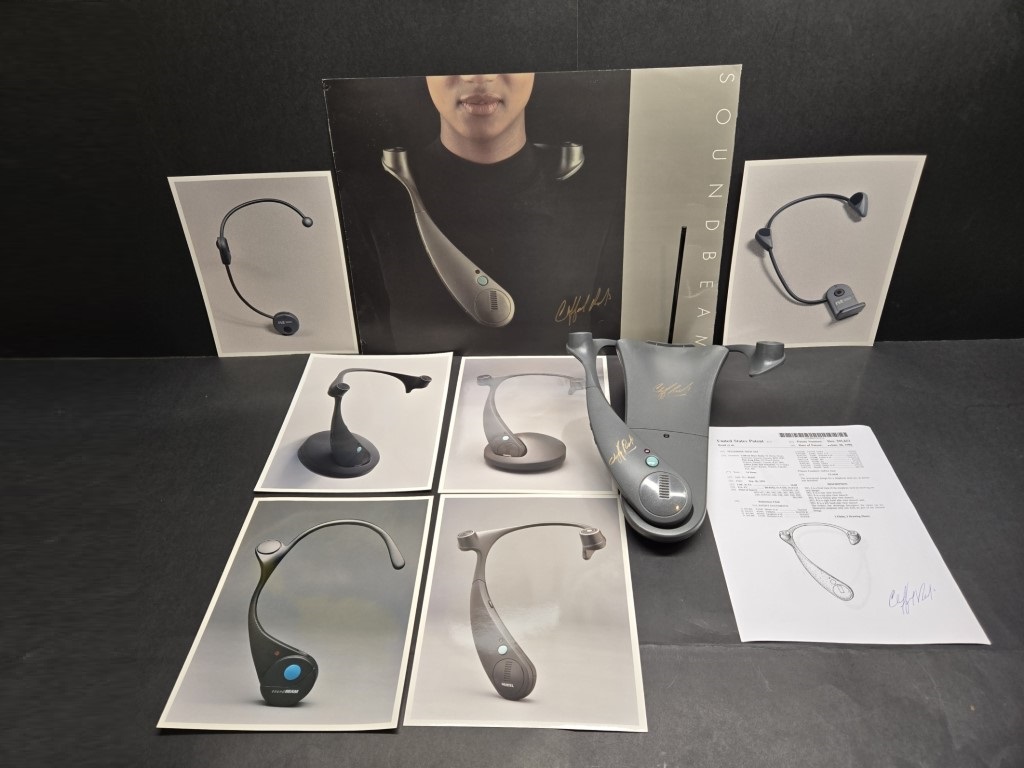
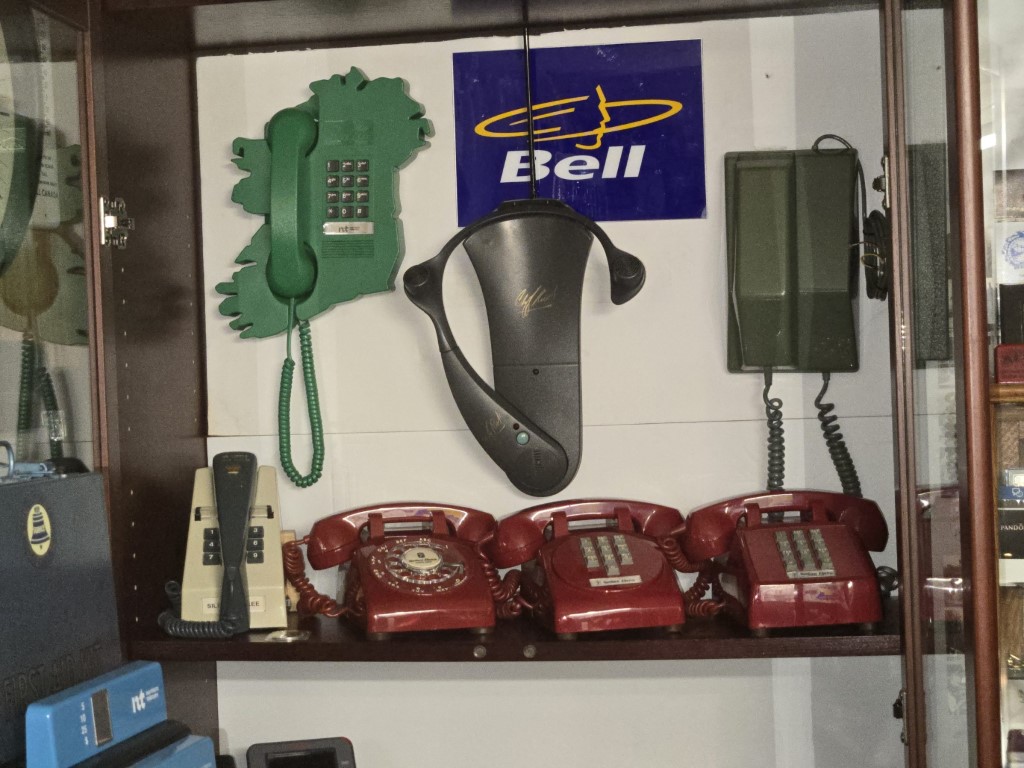
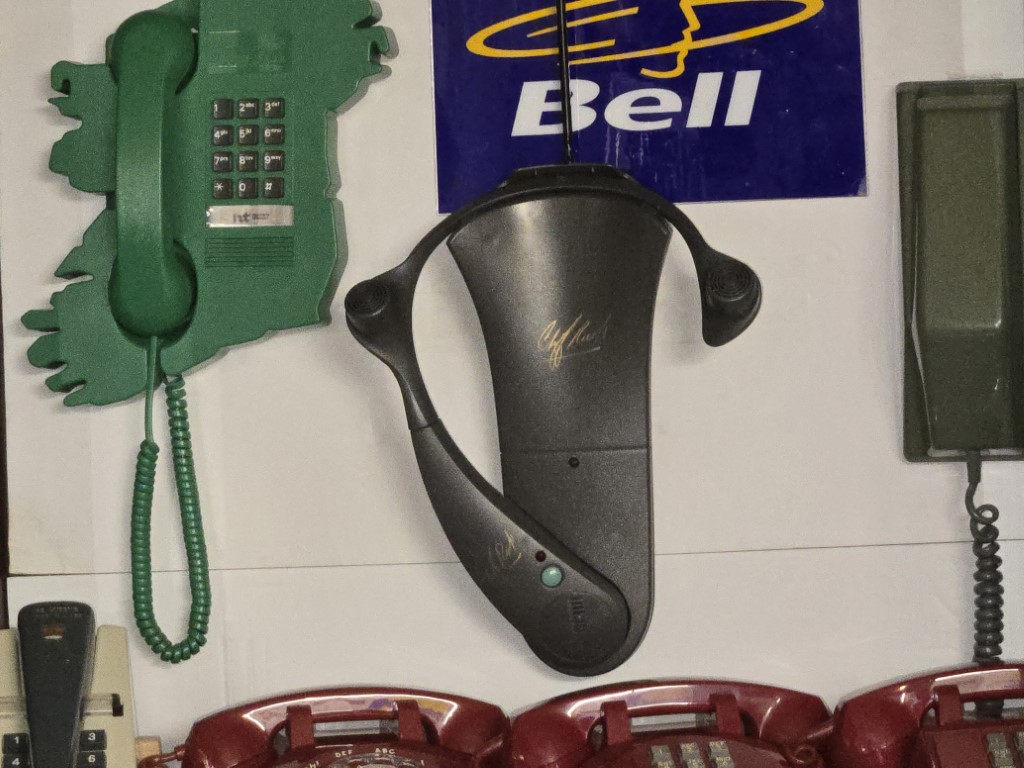
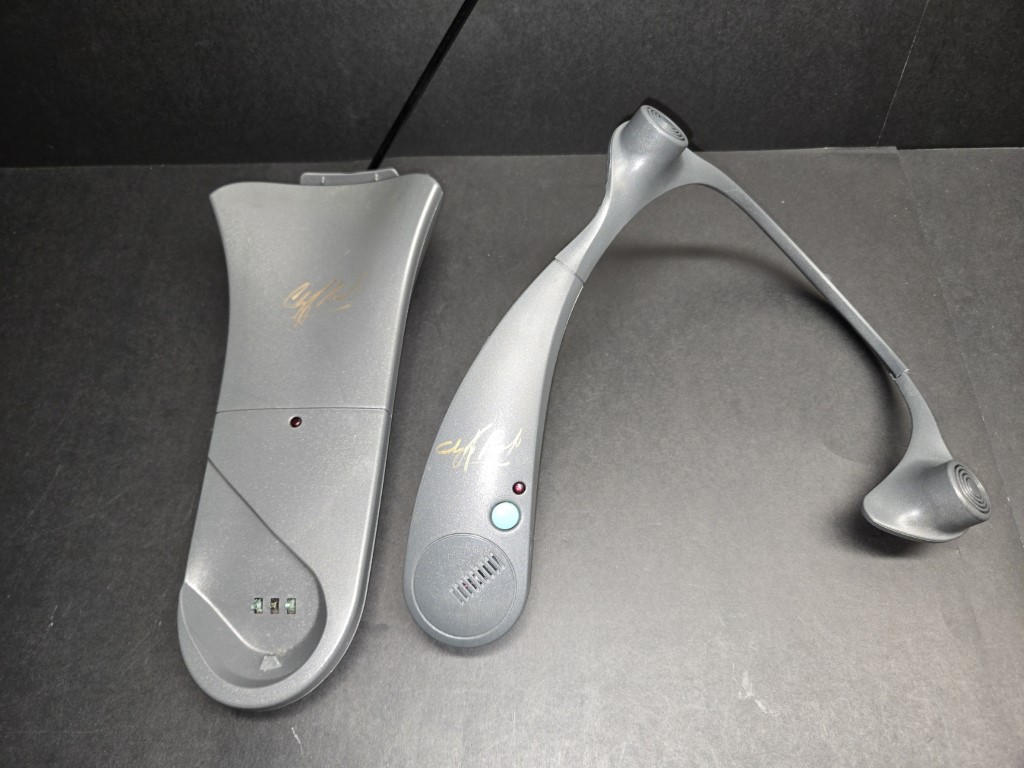
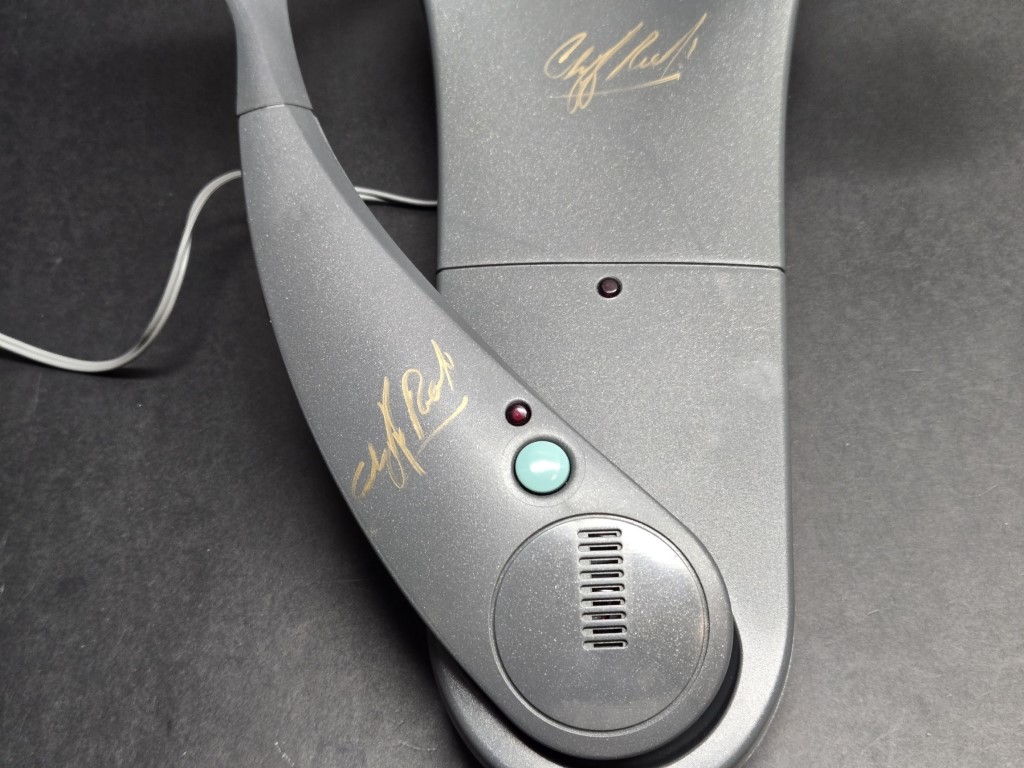
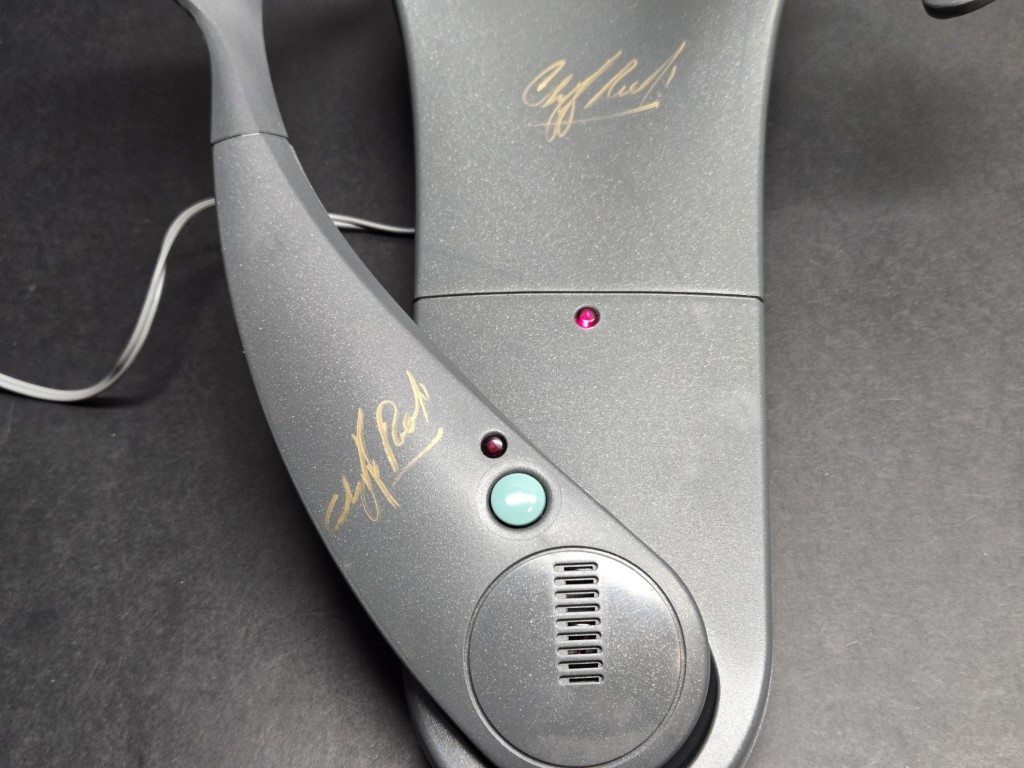
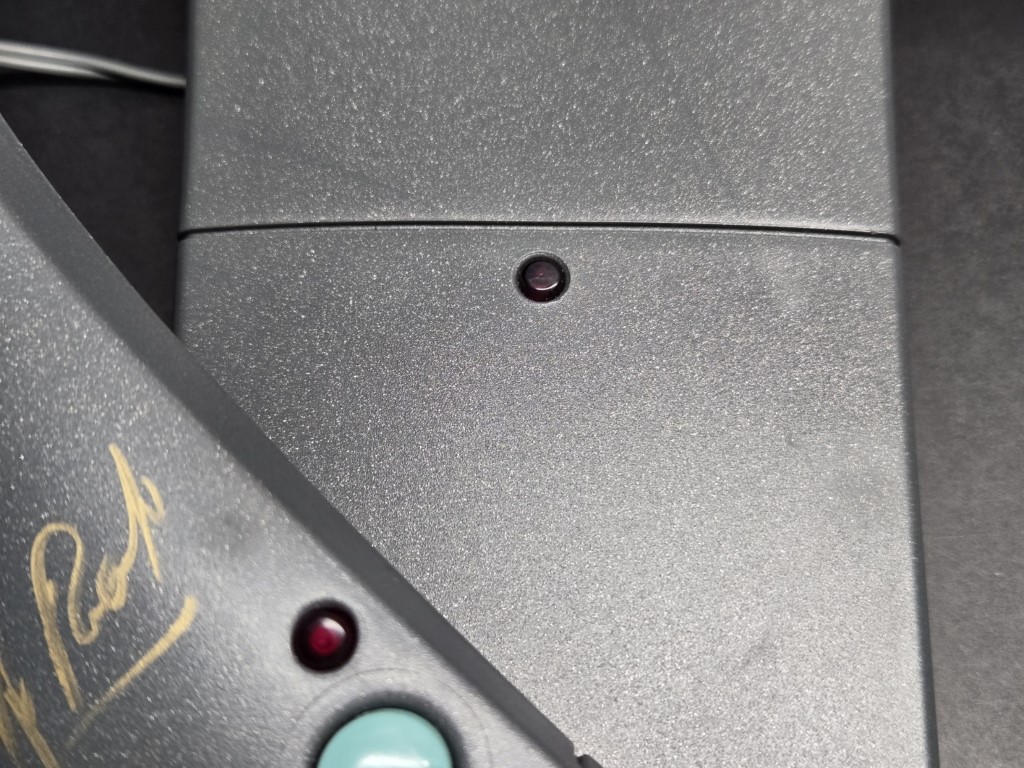
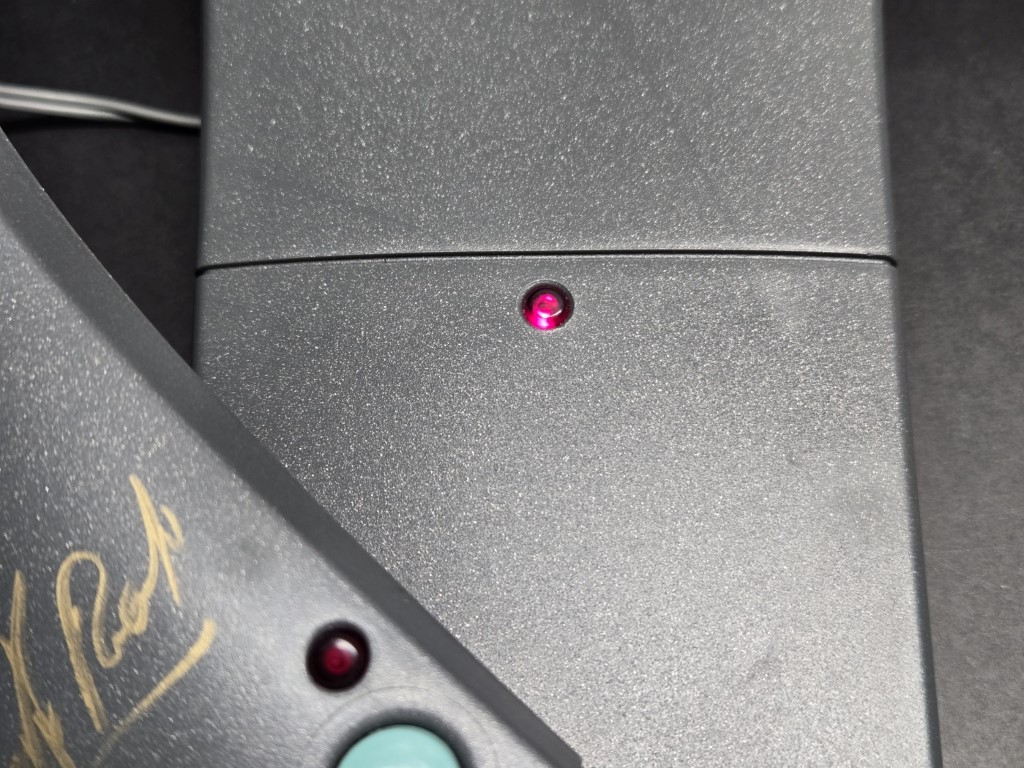
Prototype Nortel SoundBeam “neckset,” developed by Bell-Northern Research in 1995. A wearable hands-free telephony device using directional sound for private listening. telephony, it was decades ahead of modern Bluetooth headsets.
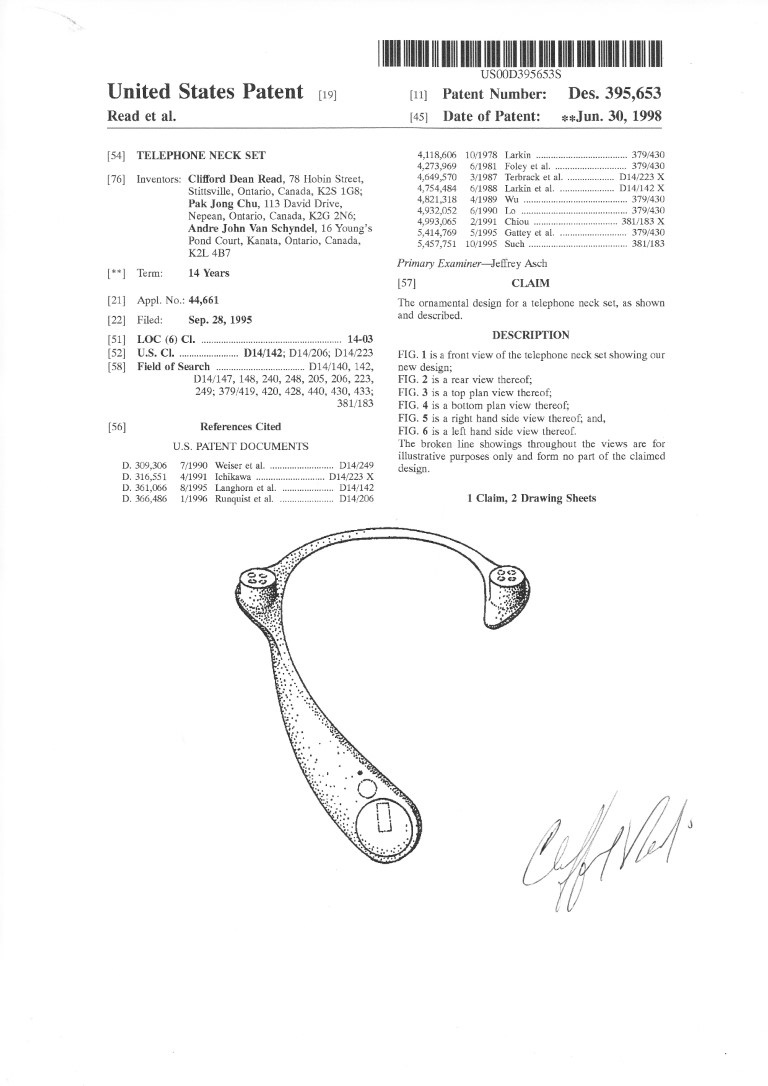
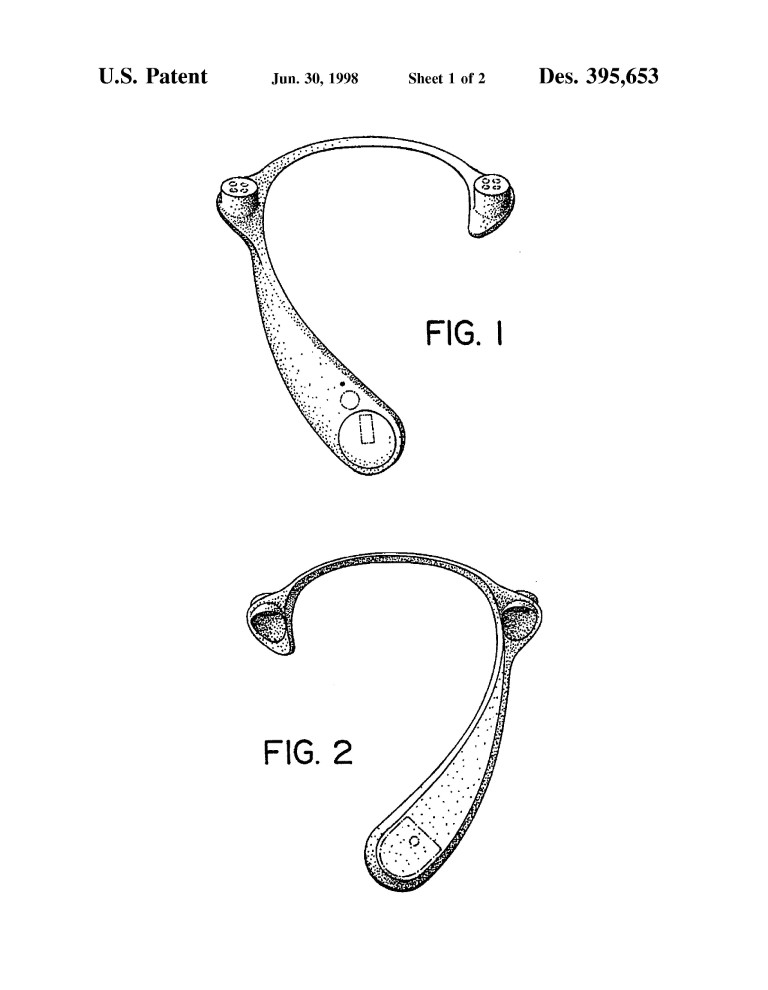
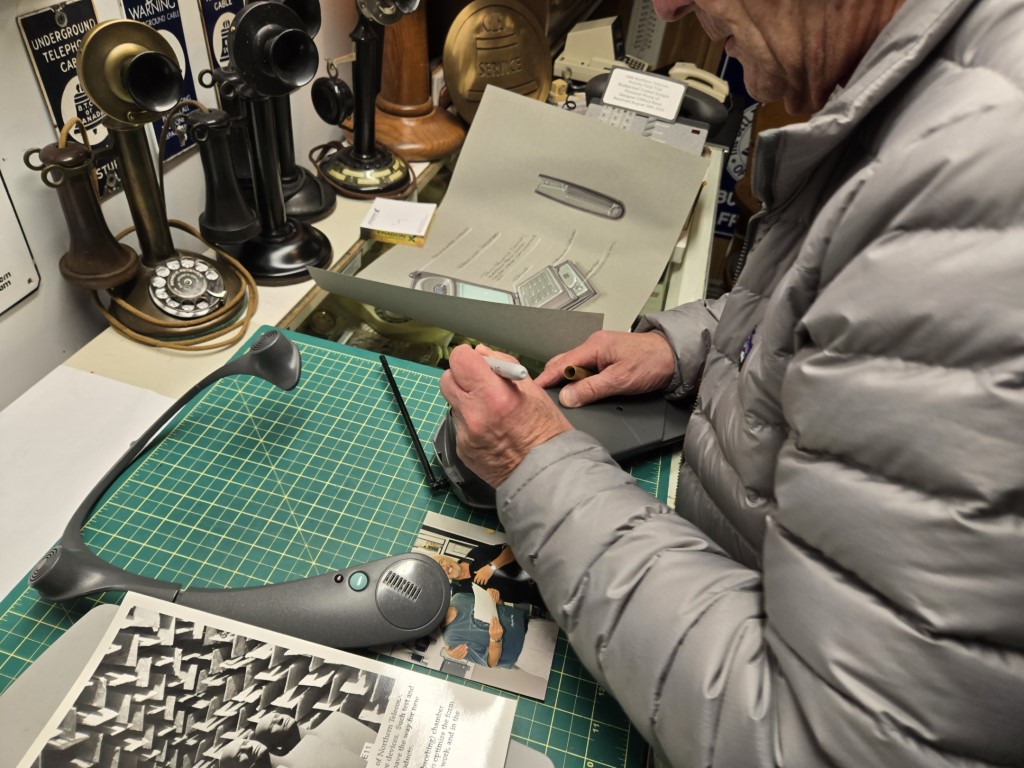
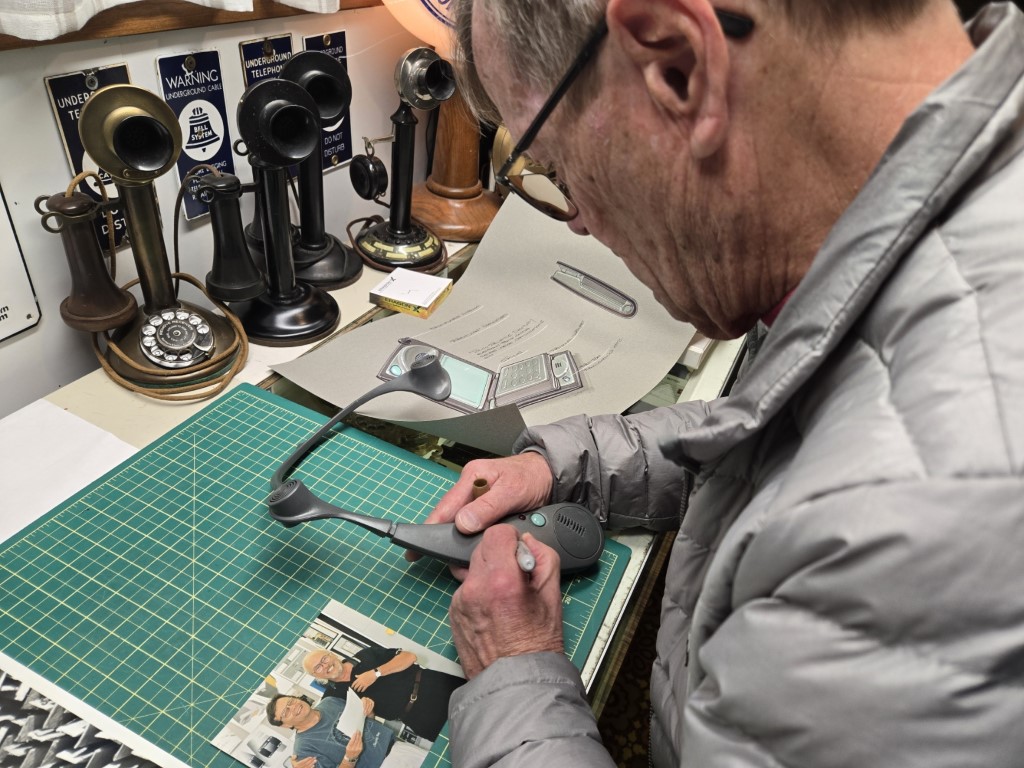
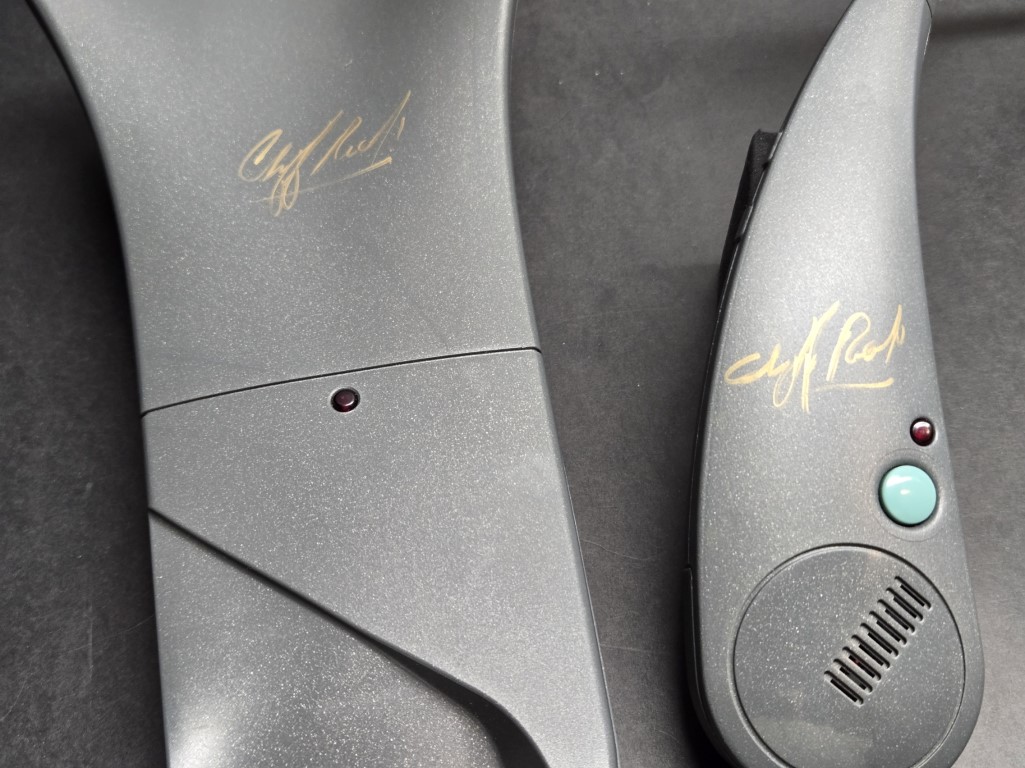
Cliff Read signing prototype SoundBeam.
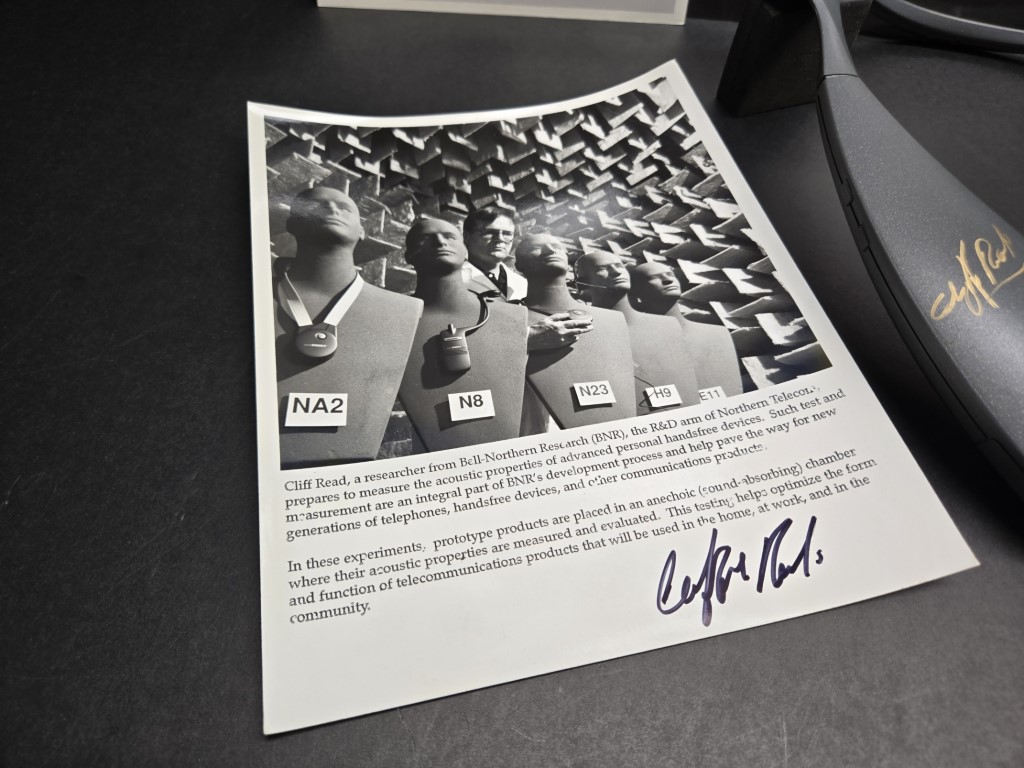
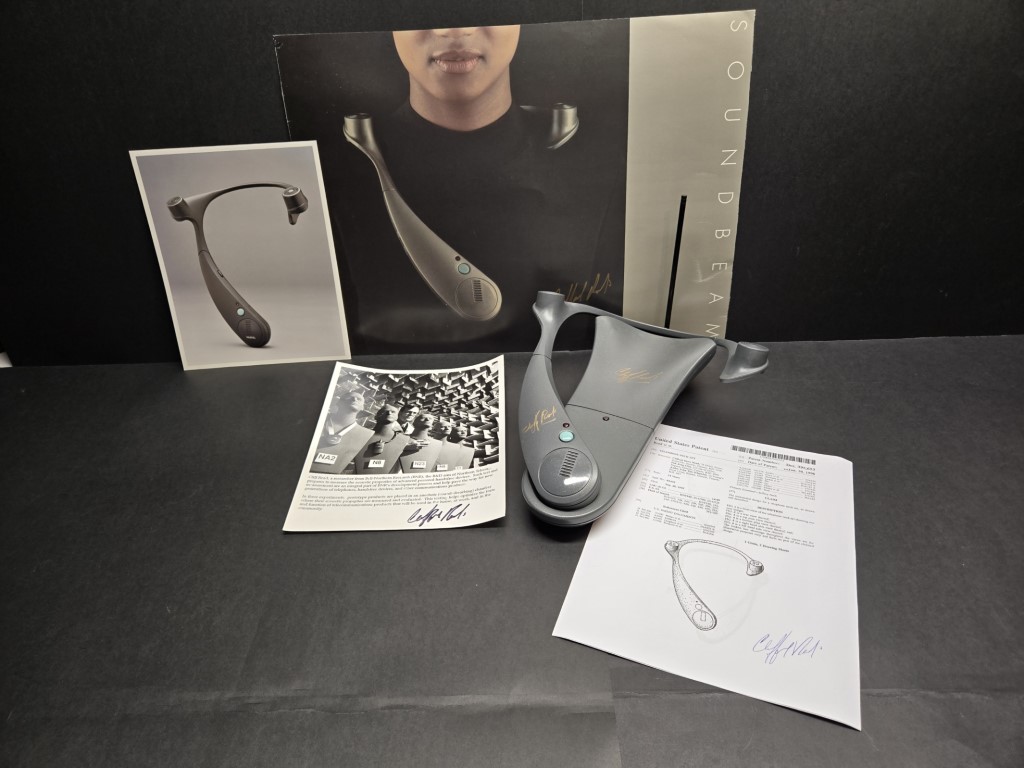
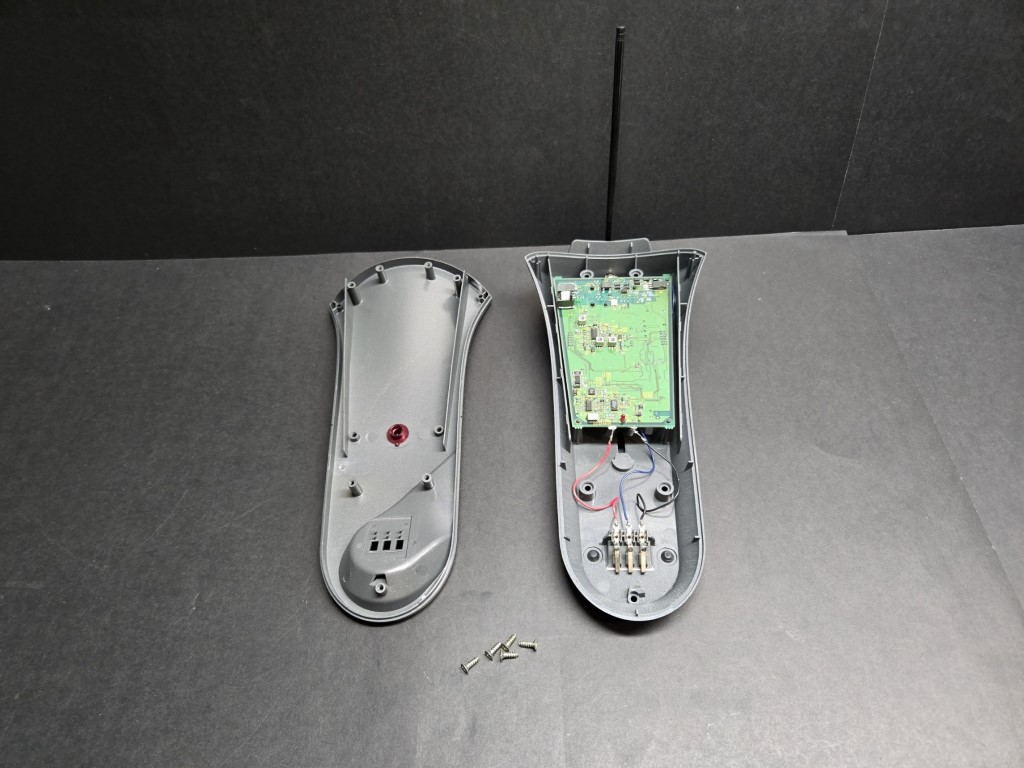
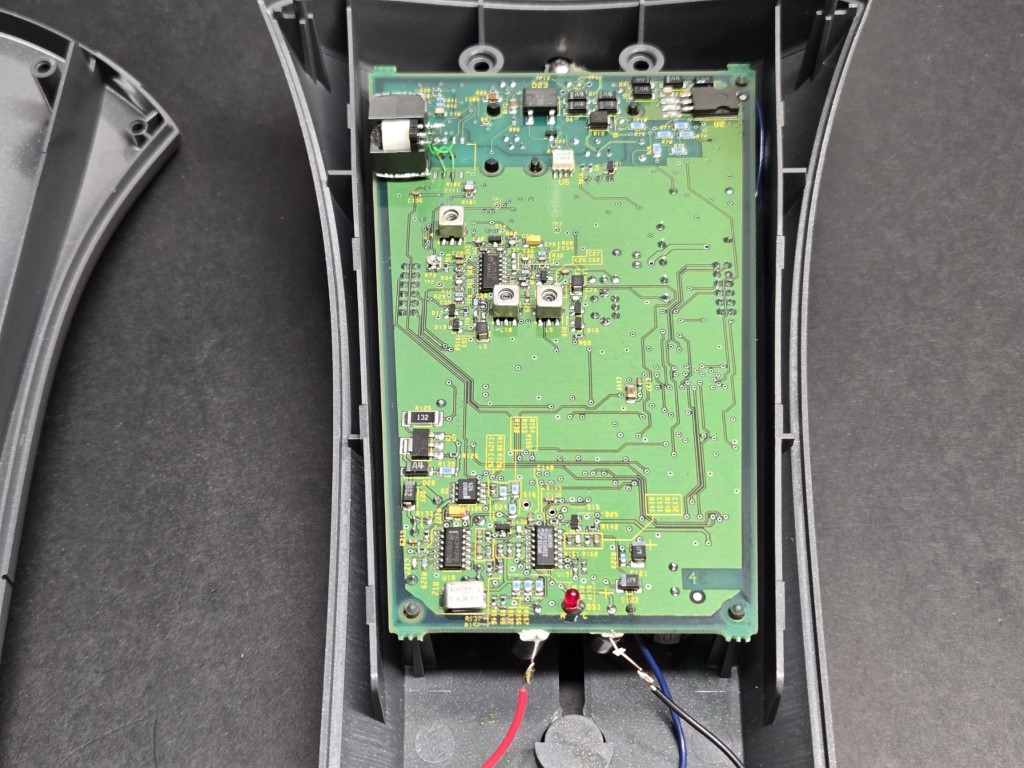
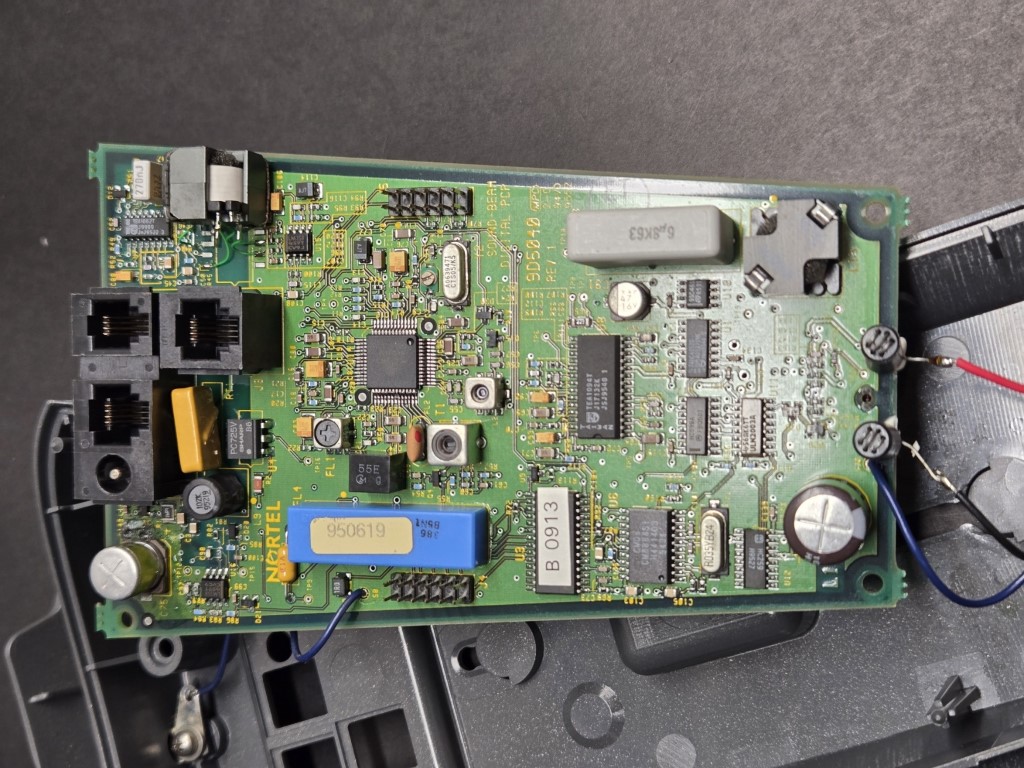

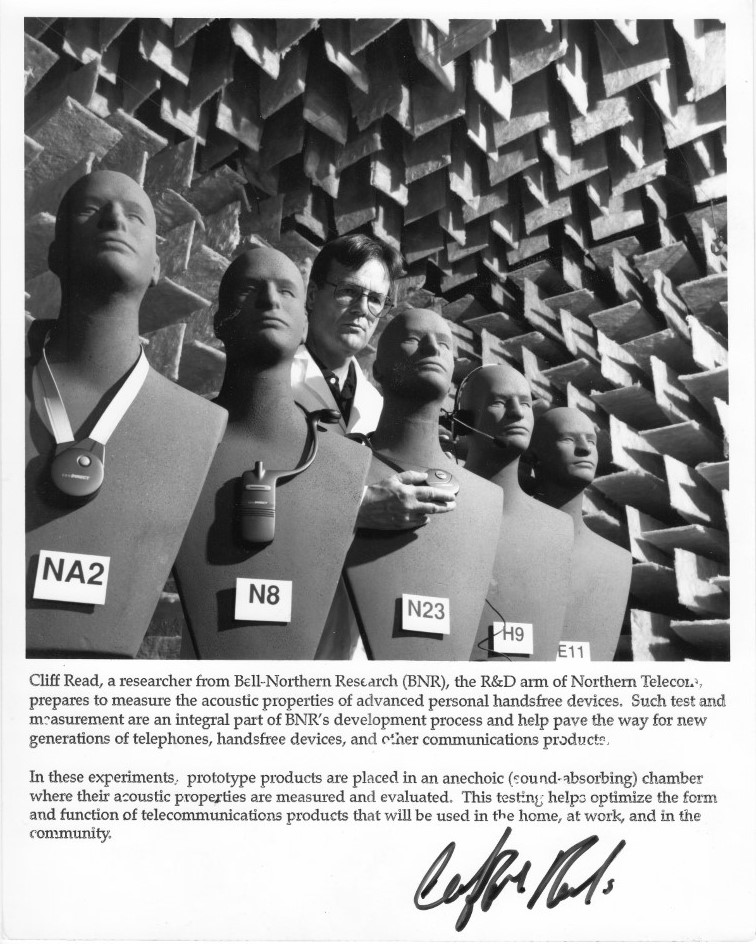
Cliff Read in a anechoic chamber.
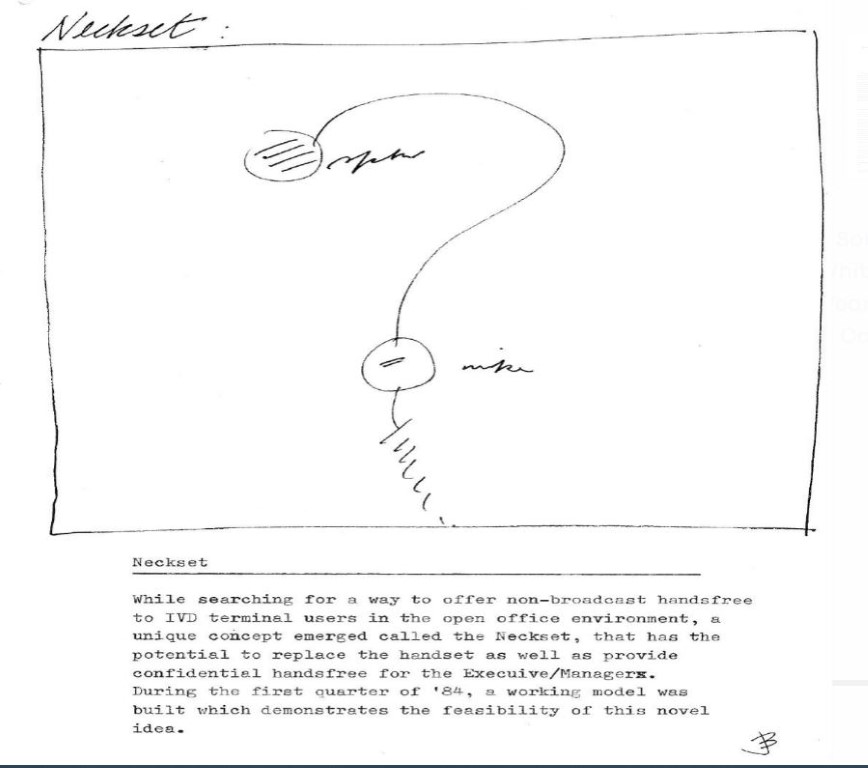
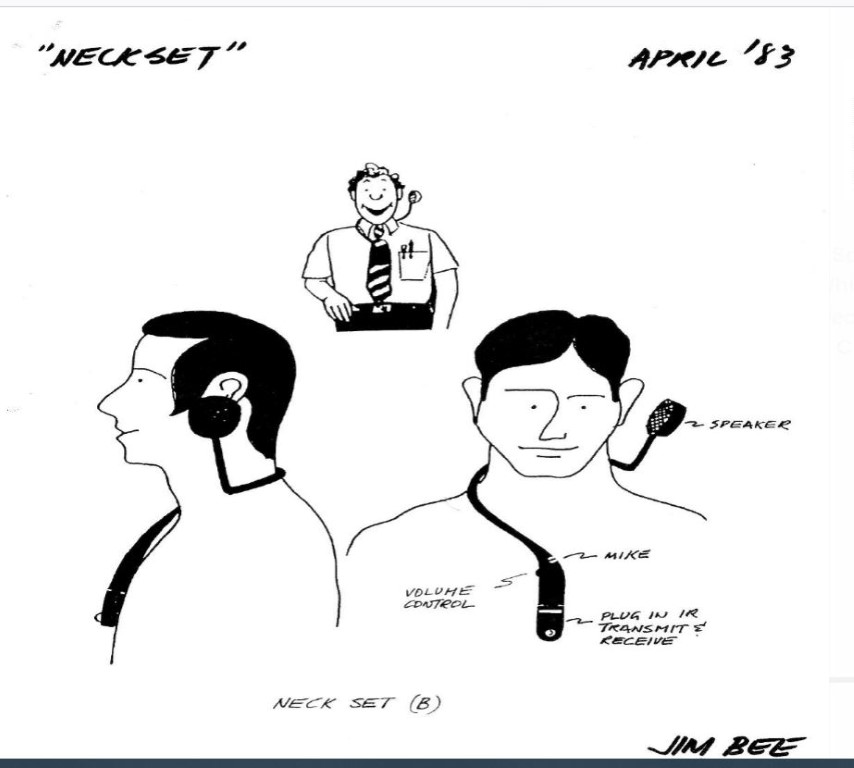
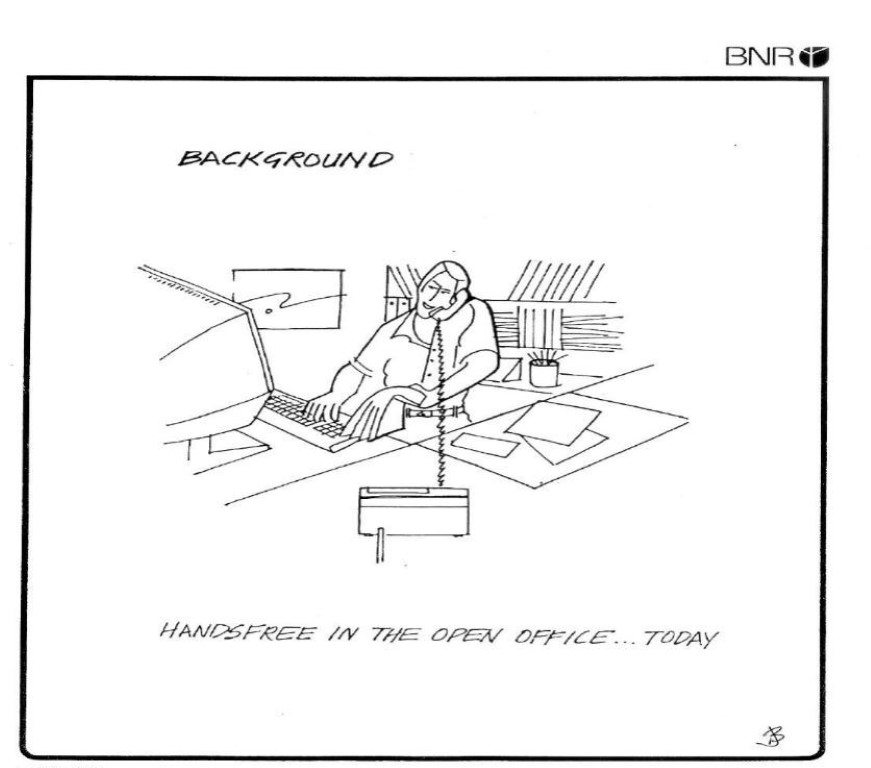
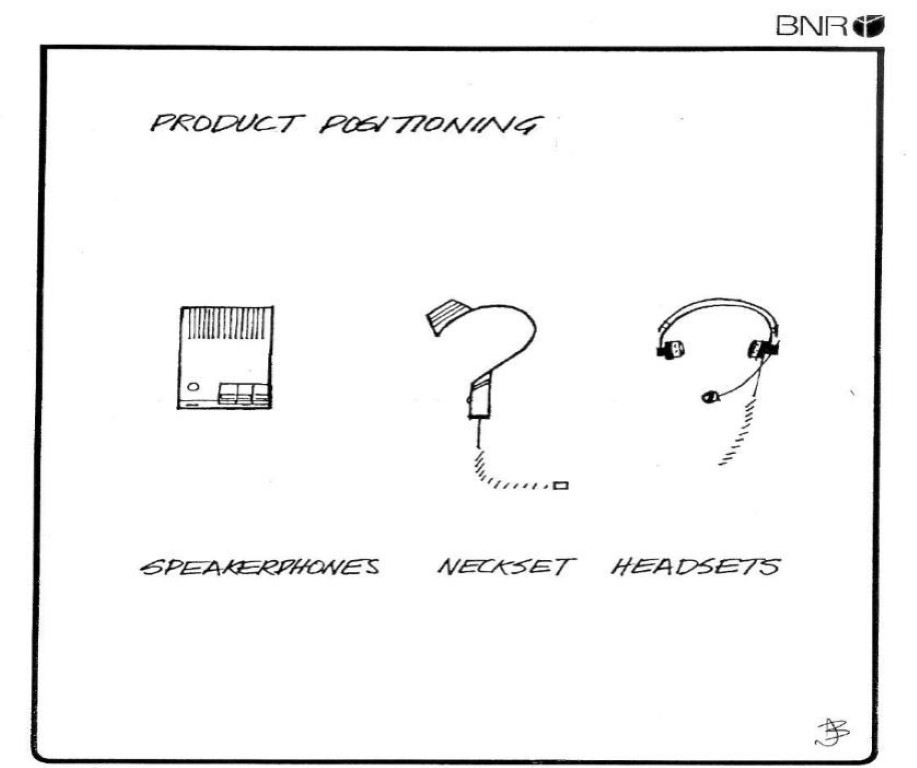
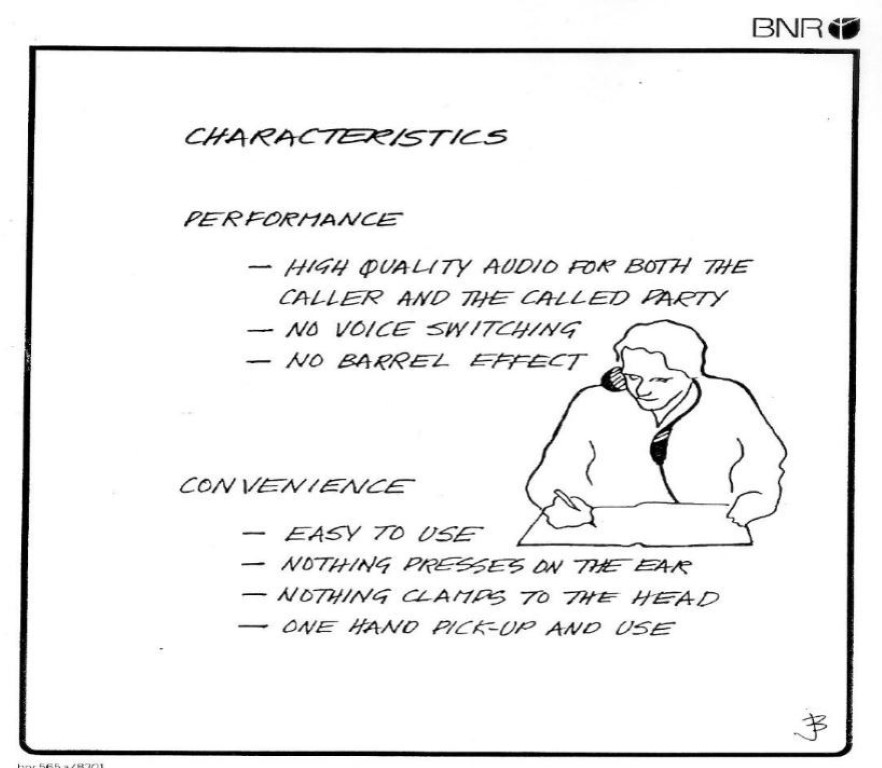
The concept for a wearable neckset dates back to 1983, conceived by Jim Bee, one of Northern Electric first industrial designers. Working within BNR’s design labs, Bee explored ideas for next-generation integrated voice and data terminals, sketching early concepts for a personal, wearable communication device.
Several of Jim Bee’s original sketches illustrating the SoundBeam’s envisioned functionality and form.
Pictures below are part of the Canadian Ingenium Collection