

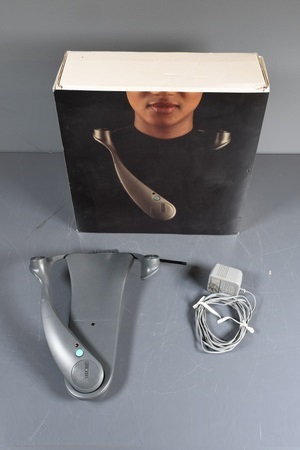
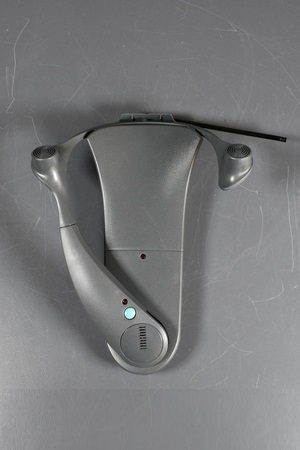
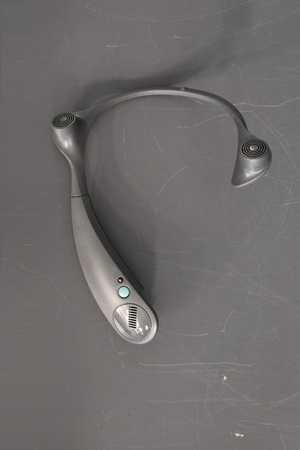
The 1995 Nortel SoundBeam was an experimental wireless, hands-free telephone device developed by Bell-Northern Research (BNR). Worn around the neck, it used directional speakers to provide a more private listening experience than a conventional speakerphone.
The SoundBeam was introduced at Telecom ’95 and tested in market trials, but it never became a commercial product. It remains an interesting example of Nortel’s exploration of new approaches to personal communications.
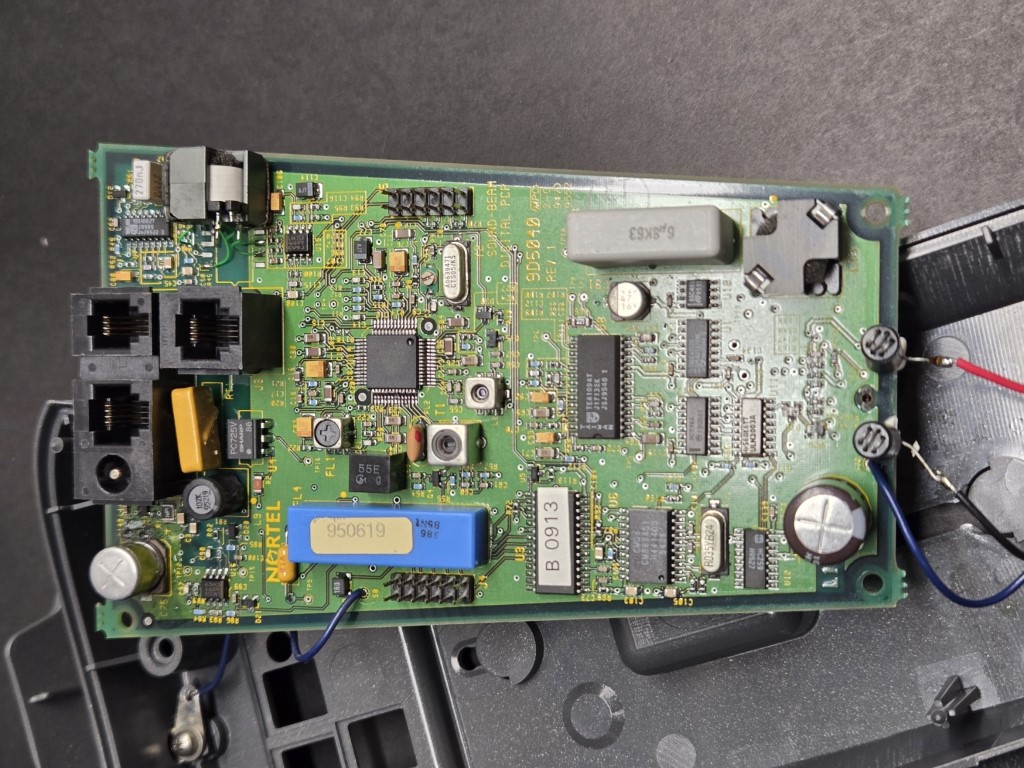
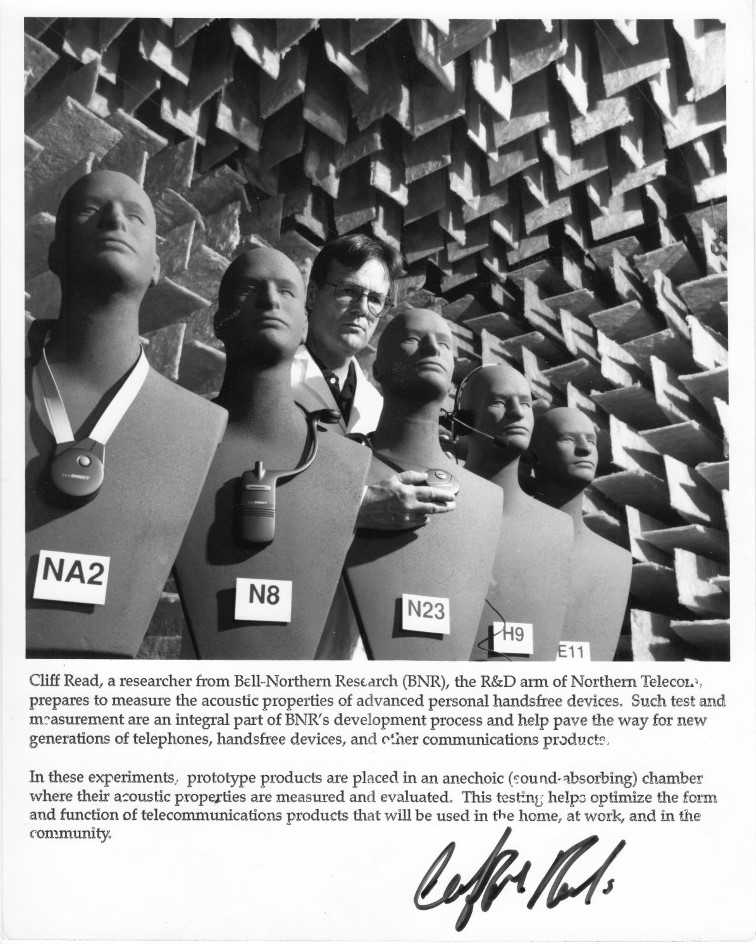
This Old Telephone Room collection includes a SoundBeam prototype with matching neckset and base number B 0913, original concept drawings, patent material, an award plaque and display pieces. The prototype has been signed by Cliff Read, the BNR industrial designer involved in its development, and John F. Tyson, connecting the device to two people behind Nortel’s design history.
SoundBeam made its public debut at Telecom ’95, in Nortel’s BNR Futures exhibit.


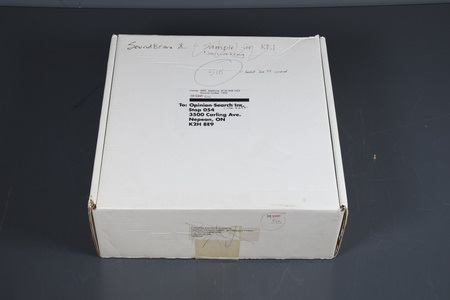
Approximately 500 units were produced for market trials.
Following its unveiling, BNR launched a large-scale market trial to assess both the technology and user acceptance. More than 500 participants from enterprise, small business, and residential environments tested the device. Feedback was largely positive: users appreciated the private audio experience and mobility, especially in open-concept office settings where traditional speakerphones caused disruptions.
Some participants were initially hesitant about wearing such an unconventional looking device, but many developed what BNR staff affectionately called the “gotta have it” response refusing to return their SoundBeam units when the trial ended.
Despite encouraging trial results, Nortel ultimately chose not to commercialize the SoundBeam. Shortly afterwards, the company withdrew from the consumer telephone and mobile device markets entirely.
A U.S. patent covering the SoundBeam’s directional loudspeaker technology was later acquired by Microsoft. Today, the SoundBeam remains a fascinating glimpse into Nortel’s spirit of innovation an early exploration of wearable communication long before Bluetooth headsets and smart devices became mainstream.

Prototype Nortel SoundBeam “neckset,” developed by Bell-Northern Research in 1995. A wearable hands-free telephony device using directional sound for private listening. telephony, it was decades ahead of modern Bluetooth headsets.
Timeline
- 1995: The secret wireless neckset project is finalized inside Bell-Northern Research (BNR) labs and makes its public debut at the Telecom ’95 convention, demonstrating a “private sonic bubble” concept using upward firing micro-speakers.
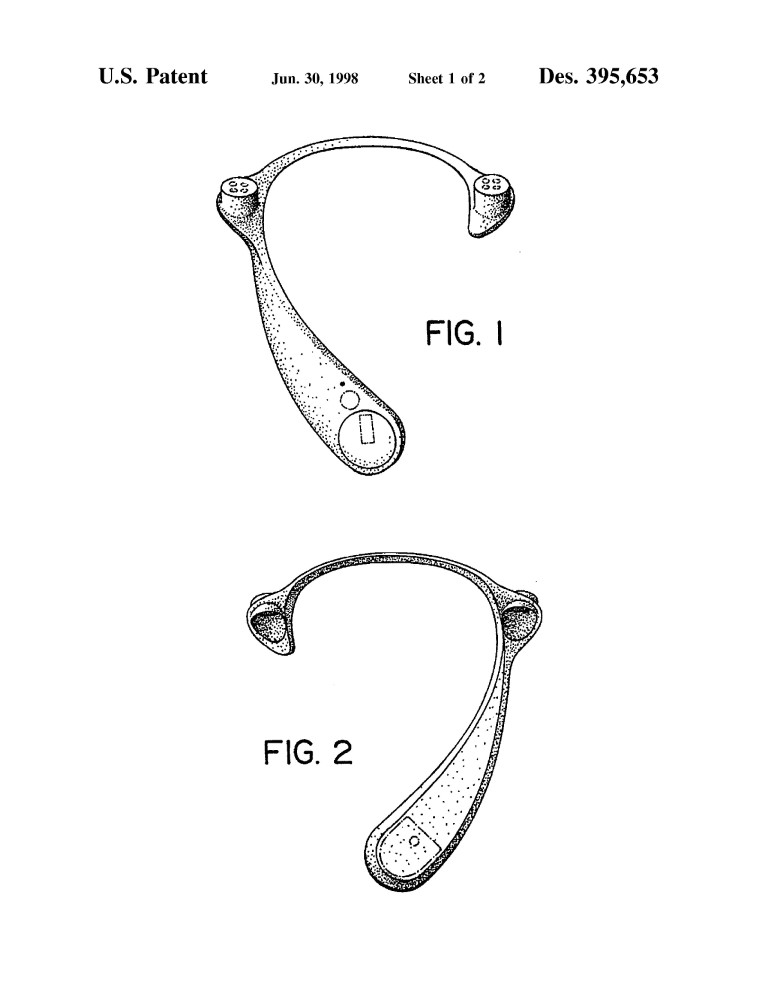
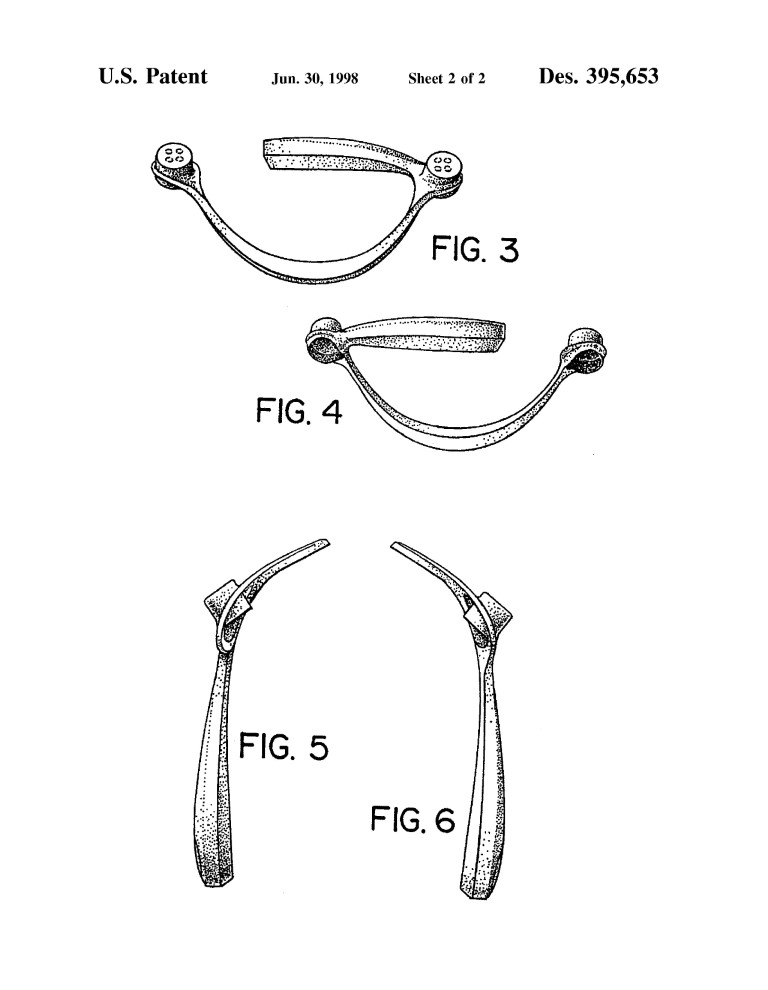
- September 1995: Application No. 44,661 is officially logged with the USPTO, listing Clifford Dean Read as the leading designer alongside colleagues Pak Joug Chu and Andre John Van Schyndel.
- 1995–1996: Nortel deploys a strict run of ~500 prototype sets to executive teams and choice telecommunication trial sites globally for real-world validation.
- 1998: The United States Patent Office officially releases and prints Des. 395,653, preserving the exact dimensional geometry of the SoundBeam form factor.
Cliff Read Concept Drawings


Cliff Read Signing Prototype SoundBeam November 04th 2025


SoundBeam Signed John Tyson September 10th 2026


SoundBeam signed by Cliff Read and John F. Tyson
Matching Neckset and Base Number B 0913


USA Patent Award Plaque dated September 29th 1998 added to Collection.


The BNR Innovation Soundwear team was the research and development group at Bell Northern Research (BNR) the R&D arm of Nortel in Ottawa, Canada. In 1995, they pioneered a wearable, personal “neckset” audio apparatus called the Nortel SoundBeam. This device featured highly directional loudspeakers that provided the user with a private audio experience.
This award recognizes an “outstanding contribution in the Innovation Category.” This division at Bell Northern Research (BNR) developed the Nortel SoundBeam, a wireless, wearable “neckset” audio device pioneered during 1995 and 1996. Clifford Read was a key designer working under John Tyson within the acclaimed BNR Design Interpretive group in Ottawa.

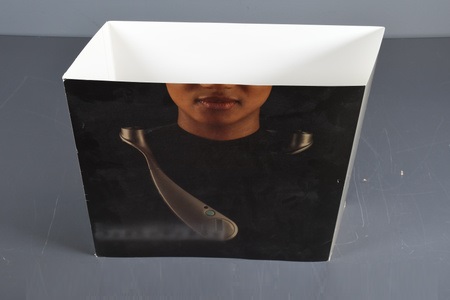
SoundBeam Factory Carton Display
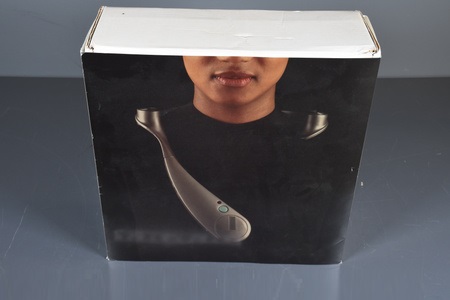
This display poster was cut from the front and side panels of an original SoundBeam factory carton cover. It features the original SoundBeam product imagery and has been personally signed by Cliff Read, a Northern Telecom / Bell Northern Research (BNR) Industrial Designer who was involved in the design of the SoundBeam.

Factory Carton Cover

Cliff Read in a anechoic chamber.
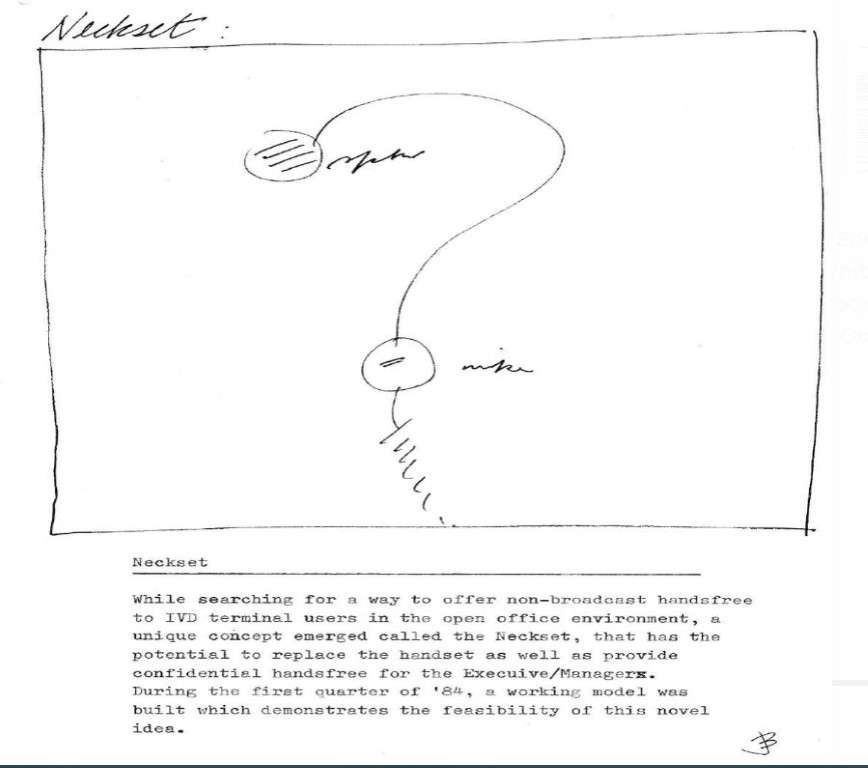
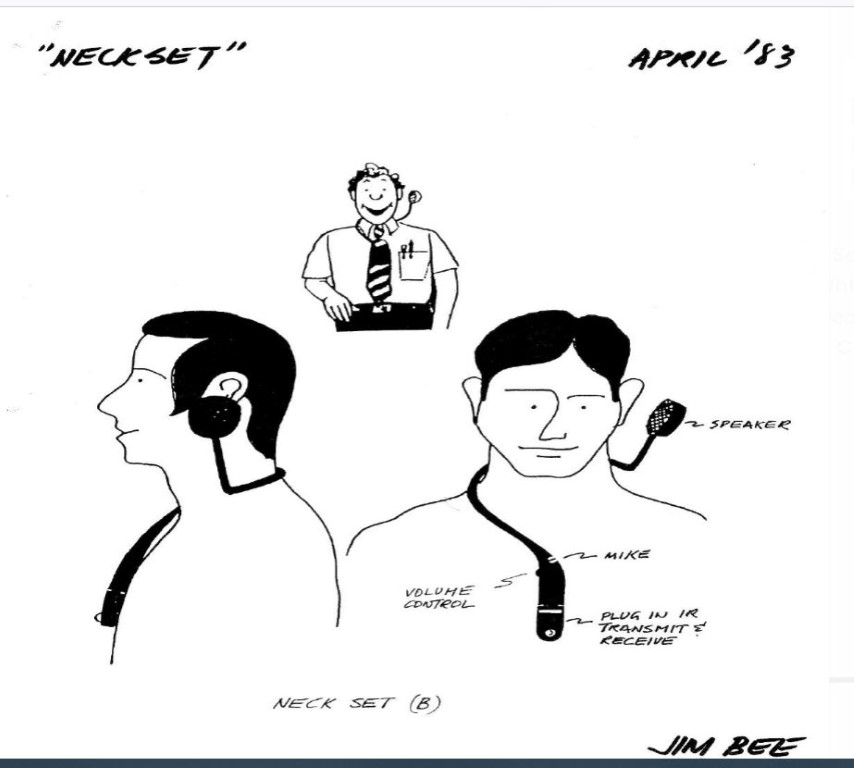
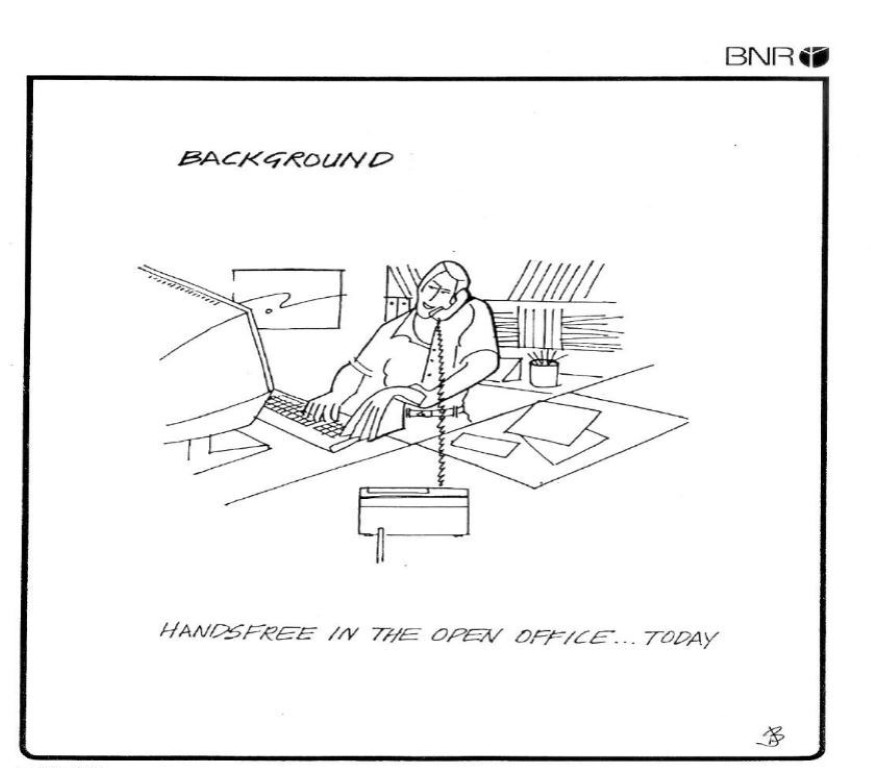
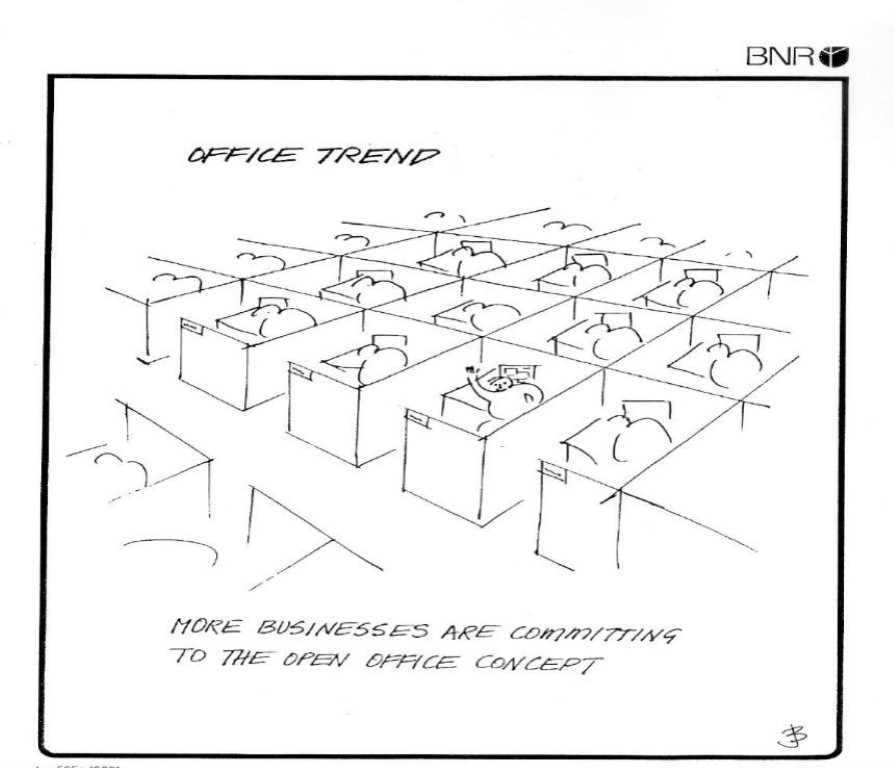
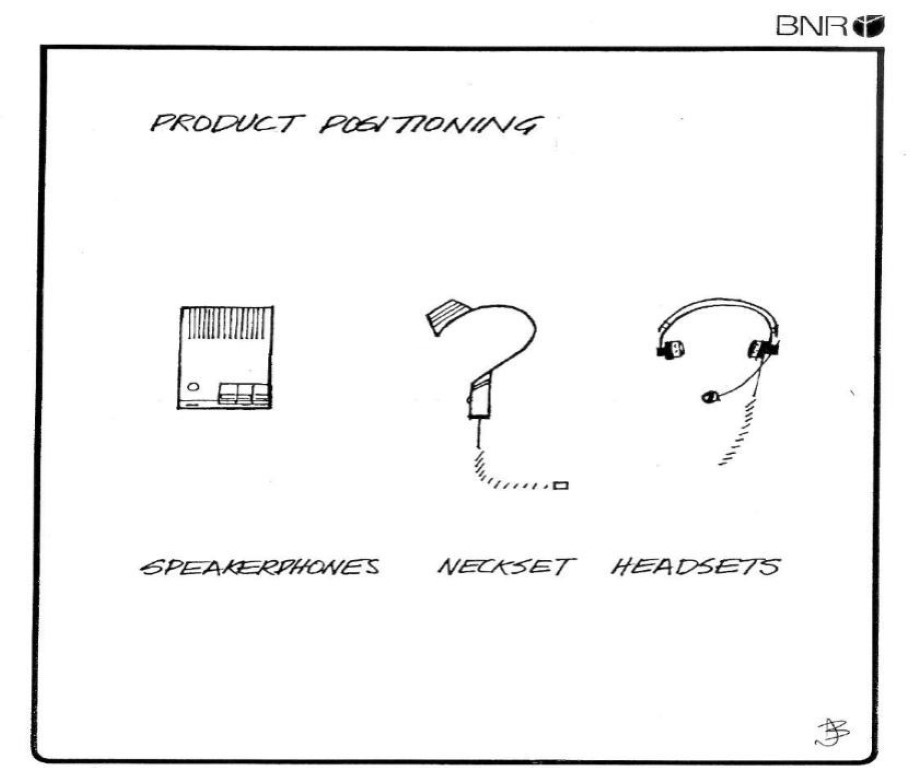
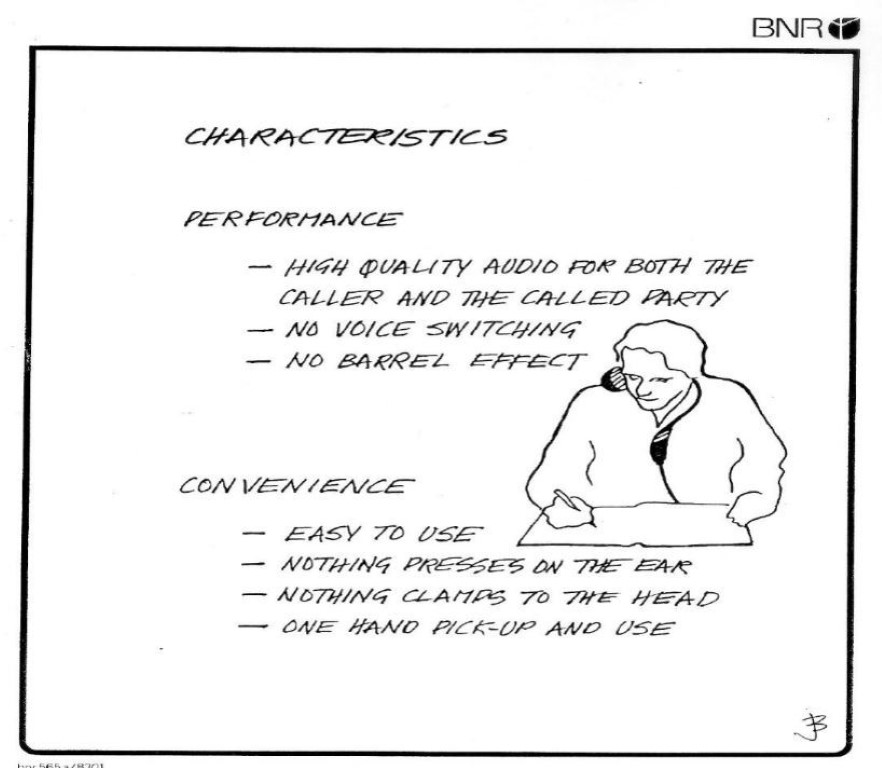
The concept for a wearable neckset dates back to 1983, conceived by Jim Bee, one of Northern Electric first industrial designers. Working within BNR’s design labs, Bee explored ideas for next-generation integrated voice and data terminals, sketching early concepts for a personal, wearable communication device.
Several of Jim Bee’s original sketches illustrating the SoundBeam’s envisioned functionality and form.
Pictures below are part of the Canadian Ingenium Collection


The Mobile Phone Museum in the U.K. also has a SoundBeam in its collection.